What June Weather Reveals About Poor Outdoor Groundwork
June can be a good month for looking at the garden with fresh plans. It can also be the month when weak groundwork stops hiding. Warm days dry surfaces quickly, sudden rain tests drainage, and heavier use shows which parts of an outdoor space were built properly.
Poor groundwork is like a wobbly table under a white tablecloth. The warning is often small, but the repair is easier when you catch it early. Everything may look neat from above until pressure lands in the wrong place. For driveways, patios, paths, fencing, and garden areas, that pressure often arrives in June.
Why June weather shows hidden groundwork problems
June weather can swing between warm spells and sharp showers. That mix puts outdoor surfaces through repeated drying and soaking. A well-built base can cope with this. A weak base starts to complain.
Groundwork sits below the part you see. It includes excavation, sub-base depth, compaction, drainage planning, edge restraints, and the layers that support paving, resin, turf, or fencing.
Common warning signs include:
- Puddles that remain long after rain
- Paving that rocks underfoot
- Resin edges that look loose or messy
- Cracks near steps, corners, or borders
- Fence posts that lean after wet weather
- Weeds pushing through joints and gaps
- Low spots where furniture or car tyres sit
These signs deserve attention before they spread. A careful survey earns its keep here.
Puddles after rain often mean poor drainage
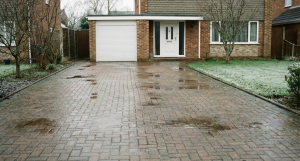
A June shower should drain away from a patio, path, or driveway. If water sits in the same place every time, the issue usually sits deeper than the surface.
Standing water can point to poor levels, a weak fall, blocked drainage, or a base that has settled unevenly. On patios, it can make slabs slippery. On driveways, it can sit around tyres, edges, and joints.
You may also notice green staining, algae, moss, or dirty splash marks in the same patches. These are clues that water is hanging around longer than it should.
Good outdoor groundwork plans where water goes before the first surface is laid. That can include a suitable fall, drainage channels, and correct edging.
Dips and movement show the base has failed
A dip in a driveway or patio is rarely random. It often means the layers underneath were too thin, poorly compacted, or placed over soft ground without proper preparation.
In June, these dips become easier to spot. Dry light catches uneven paving. Furniture rocks. Plant pots sit at odd angles. Car tyres settle into the same low marks. After rain, these dips may hold water like little grey saucers.
Movement can appear in several ways:
- Blocks shift out of line.
- Slabs sound hollow when tapped.
- Resin surfaces sink near edges.
- Paths feel uneven underfoot.
- Steps start to feel loose or unsafe.
Small changes can feel harmless at first, but outdoor surfaces work as connected systems. Once one area moves, nearby joints, edges, and levels can start to follow.
Cracks around edges can reveal rushed preparation
Edges are one of the first places to show poor outdoor groundwork. They carry pressure from foot traffic, car wheels, garden furniture, bins, and weather. If the edge restraint is weak, the finished surface loses support.
This is why cracks often appear near borders, steps, drain covers, manholes, walls, and corners. These areas need careful cutting, solid bedding, and clean finishing. Rushing them is like fastening a coat with only the top button. It may hold for a moment, then the whole shape starts to pull out of place.
Look closely at the outer lines of your patio or driveway in June. You may see loose blocks, crumbling mortar, uneven resin edges, lifted slabs, or gravel escaping from the sides. These details matter because edges help lock the whole space together.
Weeds can point to open joints and weak layers
Weeds love June. Warmth, light, dust, and moisture give them a strong start, especially in paving joints that have opened up.
A few weeds do not always mean the whole driveway or patio has failed. Seeds can blow in from lawns, borders, trees, and neighbouring gardens. The bigger concern is what weeds reveal. If they keep returning in the same lines, joints may be loose, sand may have washed away, or the surface may be moving enough to create gaps.
Open joints allow water, soil, and organic debris to settle. That gives weeds more than a crack. It gives them a tiny planting pocket. Once roots get in, they can widen gaps and make the surface look older than it is.
Regular maintenance helps, but it cannot fix poor installation. If weeds come back quickly after cleaning, the problem may be in the jointing, drainage, or base.
Fence posts can expose hidden ground movement
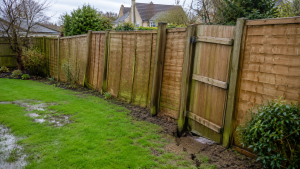
Outdoor groundwork is about more than paving. Fencing also relies on what happens below ground, especially after heavy rain followed by dry weather.
A leaning fence may mean shallow post holes, poor concrete footing, or soil movement around the posts. If panels move in the wind, the pressure on each post increases. Add wet ground and summer growth from hedges or climbers, and the fence can weaken faster.
Watch for rocking posts, gaps at the base, panels pulling away from fixings, soil sinking around posts, or gates scraping the ground.
A fence frames the garden, but it also protects privacy and safety. If the posts are weak, new panels alone will not solve the issue.
Poor groundwork costs more when it is ignored
A surface problem can be tempting to patch. Fill a crack, brush in sand, lift one slab, or hide a dip with a planter. Sometimes that buys time. It rarely deals with the cause.
The cost grows when water keeps entering weak spots, cars keep pressing on unsupported areas, or fence posts keep moving in soft ground. By the time the surface looks obviously damaged, more of the base may need replacing.
This is why a proper site check matters. A good team will look at levels, drainage, access, current materials, nearby walls, tree roots, soil condition, and how the space is used.
For Ominiworks, the goal is simple: build outdoor spaces that look good and keep working after the first sunny weekend has passed.
What Ominiworks checks before starting your project
Before a driveway, patio, fencing, or garden improvement starts, the right questions need clear answers.
A proper check should cover:
- Where rainwater currently goes
- Whether the ground has soft or sunken areas
- How cars, people, bins, and furniture will move
- Which edges need support
- Whether old materials need full removal
- How the new surface will meet steps, doors, drains, and boundaries
- Which finish suits the home and daily use
Make June the month you fix the ground beneath the finish
A beautiful patio, driveway, path, or fence starts below the surface. The finish matters, but the layers underneath decide how long it stays level, safe, and easy to use.
If June weather has revealed puddles, dips, loose joints, leaning posts, or cracked edges, ask Ominiworks for a site visit and get clear advice before a small fault becomes a bigger repair.
Book your free outdoor project quote with Ominiworks today.