 Skip to content
How Winter Weather Damages Driveways (And How to Prevent It)
Winter is the most demanding season for driveways. Constant rain, freezing temperatures, and repeated freeze–thaw cycles place stress on every surface, from block paving to resin and tarmac. What often starts as minor wear in autumn can quickly escalate into cracking, surface movement, and long-term structural damage once winter sets in.
Understanding how winter weather affects your driveway is the first step in preventing costly repairs. With the right preparation and timely maintenance, most winter-related damage can be reduced or avoided entirely.
Freeze–Thaw Cycles Are the Biggest Threat
One of the most damaging winter processes is the freeze–thaw cycle. When rainwater seeps into small cracks, joints, or porous surfaces and then freezes overnight, it expands. As temperatures rise, the ice melts and contracts, leaving the surface slightly weaker than before.
Repeated freezing and thawing gradually widens cracks, loosens joints, and weakens the base beneath the surface. Over time, this process leads to uneven paving, lifted edges, and visible fractures. Driveways that already have minor defects are particularly vulnerable, which is why early intervention is so important.
Standing Water Speeds Up Surface Breakdown
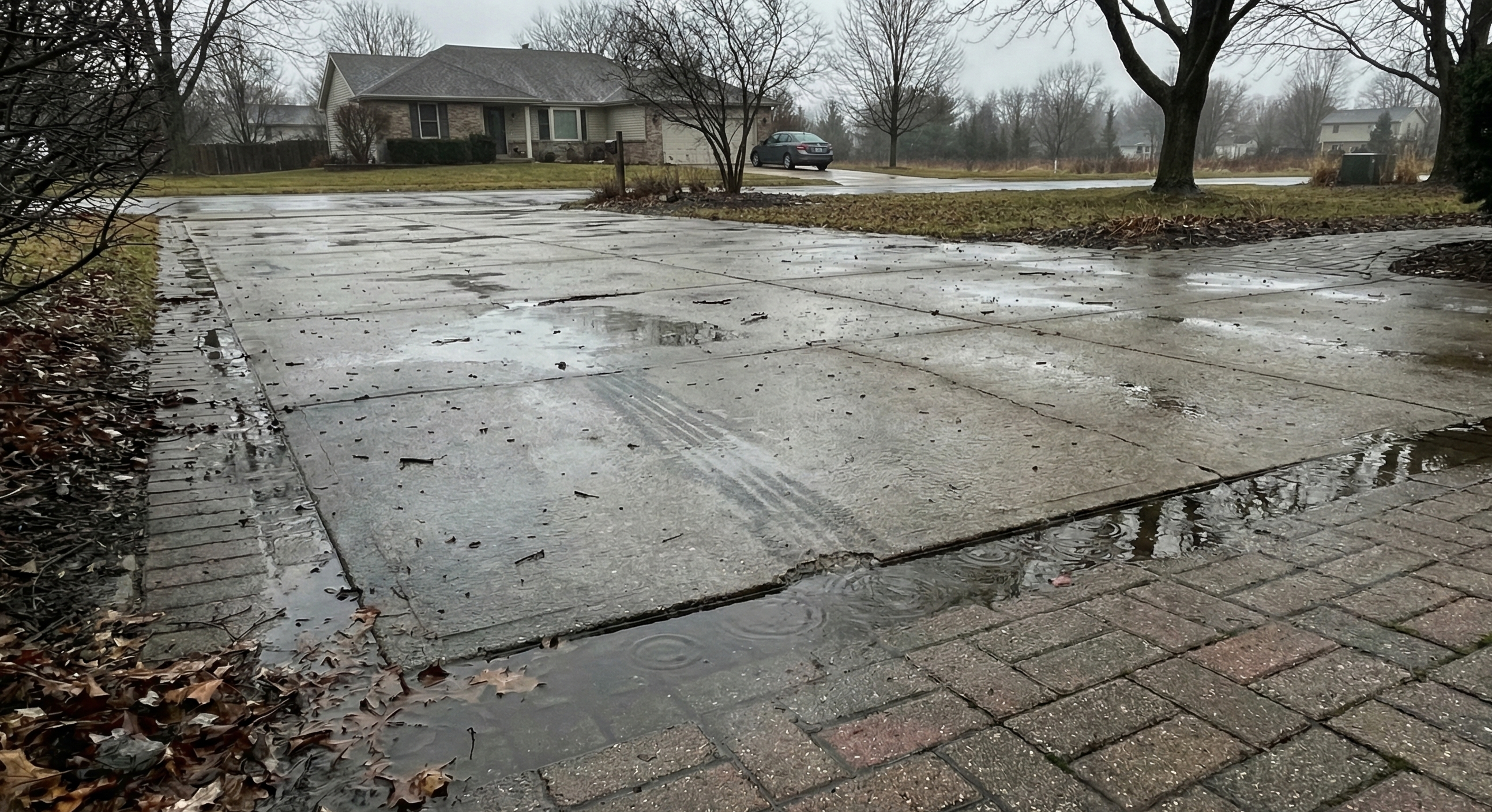
Poor drainage dramatically accelerates winter damage. When water pools on a driveway, it increases the amount of moisture that can penetrate joints and micro-cracks. Once freezing temperatures arrive, these areas become prime spots for frost expansion.
Standing water also softens the sub-base beneath the surface. As vehicles pass over waterlogged areas, pressure forces movement in the foundation, causing blocks to sink or resin and tarmac to crack. Preventing pooling is one of the most effective ways to protect a driveway during winter.
Block Paving Joints Are Especially Vulnerable in Winter
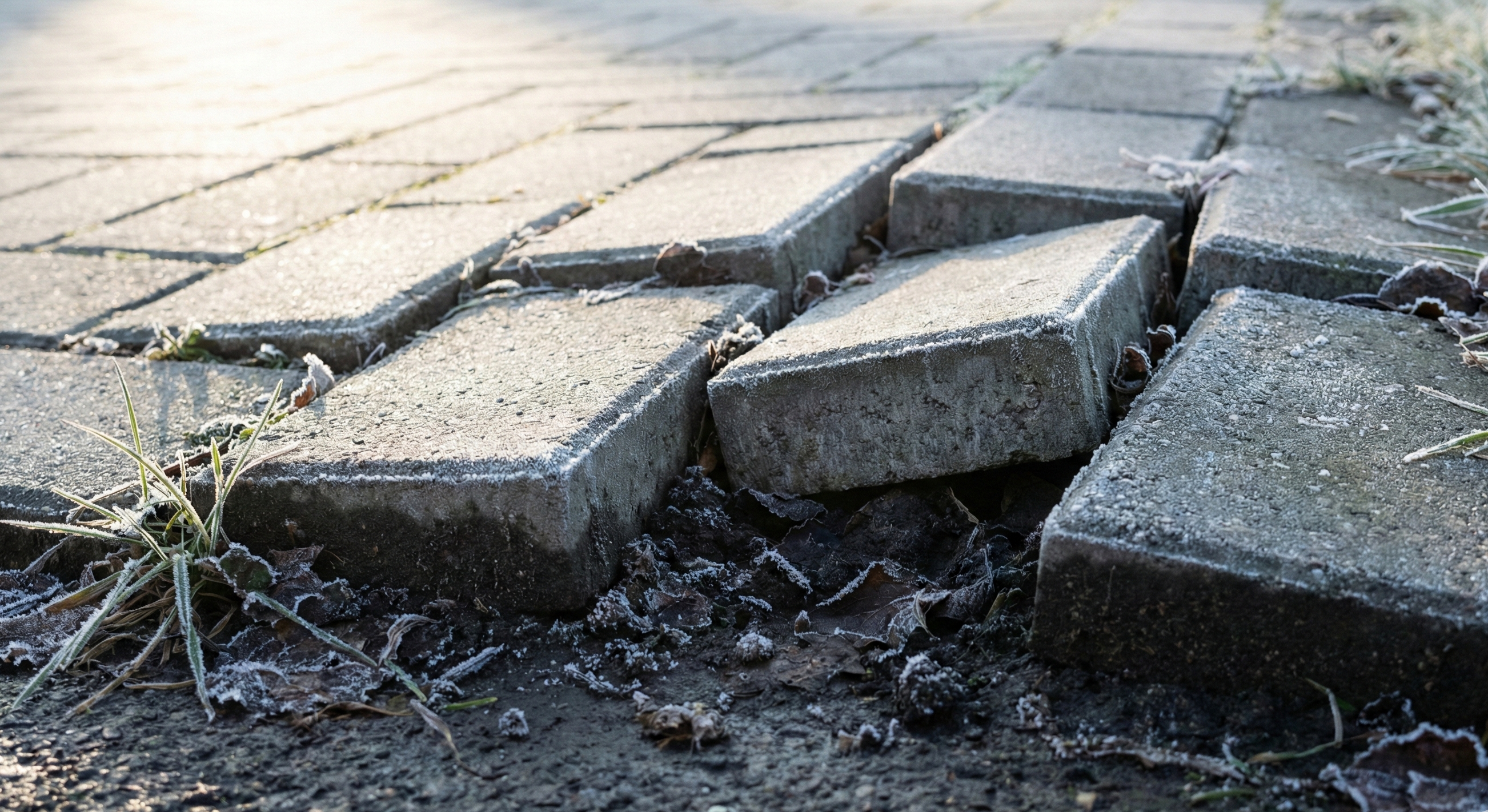
Block paving relies on compacted jointing sand to keep blocks stable. During winter, rain and sweeping wash this sand away, leaving gaps between blocks. Water enters these gaps, freezes, and forces the blocks apart.
As joints weaken, blocks begin to shift under vehicle weight. This movement causes uneven surfaces, trip hazards, and increased water retention. Without re-sanding and sealing, block paving can deteriorate rapidly over just one winter season.
Resin and Tarmac Can Crack If Not Properly Maintained
Resin and tarmac surfaces are often seen as more resilient, but they are not immune to winter damage. Hairline cracks allow moisture to reach the base layers. Once frozen, this moisture expands and can cause surface splitting or lifting.
Older tarmac is particularly prone to becoming brittle in cold weather. Without protective treatments, it may crack under normal use. Resin surfaces benefit from proper installation and sealing, which help repel moisture and reduce the effects of freezing temperatures.
Heavy Vehicles Increase Winter Stress on Weak Areas
Driveways experience more stress in winter due to increased moisture in the ground. A waterlogged sub-base offers less resistance to weight, meaning vehicles place greater pressure on already weakened areas.
If the driveway was not built with adequate sub-base depth or compaction, winter conditions expose these weaknesses quickly. Ruts, dips, and surface movement often become visible after periods of frost combined with regular vehicle use.
Edges and Borders Often Fail First
The edges of a driveway are usually the first areas to show signs of winter damage. Without proper edge restraints, frost and vehicle pressure cause blocks to spread outward or tarmac edges to crumble.
Once edges fail, the rest of the surface loses support. Water enters more easily, accelerating damage across the entire driveway. Reinforcing edges before winter helps maintain overall structural integrity.
Salt and Grit Can Cause Long-Term Surface Damage
While salt and grit improve safety, excessive use can damage driveway surfaces. Salt draws moisture into the surface and accelerates freeze–thaw deterioration. It can also cause staining on block paving and weaken jointing materials.
Using grit or sharp sand instead of rock salt reduces the risk of surface damage. When salt is necessary, applying it sparingly and cleaning the surface once temperatures rise helps minimise long-term effects.
Simple Preventative Steps That Make a Big Difference
Winter driveway damage is often preventable with timely care. Key steps include:
- Clearing leaves and debris to reduce moisture retention
- Re-sanding block paving joints before freezing temperatures arrive
- Sealing surfaces to limit water penetration
- Repairing small cracks before they expand
- Ensuring drainage channels remain clear
These measures strengthen the driveway’s resistance to winter stress and extend its lifespan significantly.
Why Professional Assessment Matters Before Winter
Many winter issues originate below the surface and are not visible to the untrained eye. Professional assessments identify drainage weaknesses, base movement, and early structural faults before they worsen.
Corrective work carried out in late autumn or early winter often prevents major repair projects later. Addressing problems early is always more cost-effective than rebuilding damaged sections once winter deterioration is complete.
Protect Your Driveway This Winter with Ominiworks
Winter weather is relentless, but driveway damage does not have to be inevitable. With the right preparation, maintenance, and professional support, your driveway can withstand freezing temperatures, heavy rain, and daily use without deterioration.
Ominiworks provides expert driveway maintenance, repairs, and protective treatments designed to perform through the toughest winter conditions. Our team identifies vulnerabilities early and applies proven solutions that protect both surface and structure.
Prevent winter damage before it starts—contact Ominiworks today for professional driveway care and seasonal protection.


