Permeable Paving Explained: Greener Drives for Britain’s Downpours
In a country where heavy rainfall is an ever-present reality, homeowners across Britain are looking for practical ways to manage surface water without compromising on aesthetics. Permeable paving has become a key solution, offering an environmentally friendly approach to driveway construction. It not only helps control water run-off but also contributes to sustainable living, making it a valuable option for forward-thinking property owners.
This guide will explain how permeable paving works, why it’s becoming essential for modern homes, and what advantages it offers beyond just good drainage.
Understanding Permeable Paving
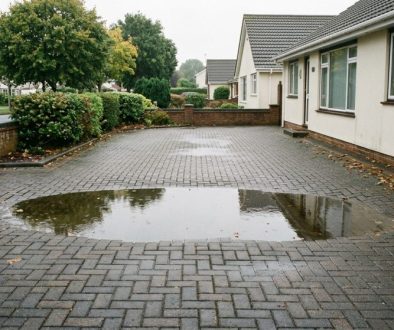
Permeable paving is designed to allow water to drain through the surface and into the ground below, rather than flowing off into drains or pooling on the surface. Unlike traditional driveways made of impermeable materials like concrete or non-porous asphalt, permeable systems are structured with gaps or porous materials that facilitate water absorption.
There are several types of permeable paving suitable for residential driveways:
- Resin bound gravel: A mixture of aggregate and clear resin, creating a durable, smooth finish that is fully permeable.
- Permeable block paving: Specially designed pavers with wider joints filled with a permeable material to aid drainage.
- Gravel stabilisation systems: Grids that support loose gravel while allowing water to flow freely beneath.
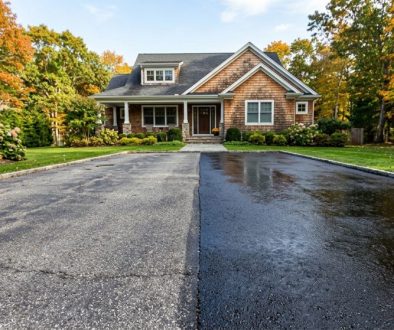
These materials not only offer practical benefits but also add a modern, clean look to driveways of all shapes and sizes.
How Permeable Paving Helps Manage Water Run-Off
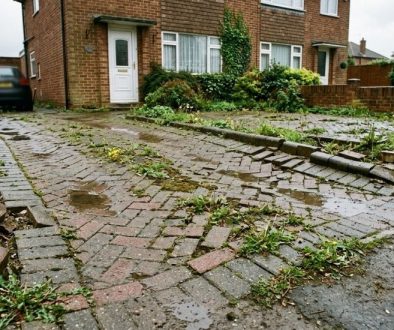
Surface water run-off is a growing problem in the UK, contributing to both urban flooding and strain on public drainage systems. As climate change leads to more intense and frequent downpours, managing rainwater effectively has never been more important.
Permeable paving systems are key components of Sustainable Drainage Systems (SuDS). These are now often encouraged or required in residential developments, particularly where new paving is being laid over 5m². With permeable paving, rainwater is absorbed on-site, reducing reliance on storm drains and lowering the risk of localised flooding.
By replacing traditional impermeable surfaces with permeable alternatives, homeowners take an active role in reducing flood risk and protecting the integrity of their local environment.
If you’re looking for a driveway installation in Taunton that considers both style and durability in heavy rainfall, our Taunton driveway team offers permeable paving options designed for the local soil and climate. See our full Driveway Installation in Taunton service page for details.
Environmental Benefits Beyond Drainage
The eco-friendly advantages of permeable paving extend beyond basic water management. When water is allowed to infiltrate naturally through paving systems, it filters through underlying layers, helping to remove pollutants like oil, brake dust, and general grime before reaching the groundwater. This process reduces contamination and supports cleaner waterways.
In addition:
- Permeable surfaces reduce urban heat by allowing air and moisture exchange.
- They contribute to groundwater replenishment, which supports surrounding plant life and biodiversity.
- They ease pressure on ageing public drainage systems, especially during peak rainfall.
This combination of environmental gains makes permeable paving a sound investment for any homeowner looking to adopt greener building practices.

Design Flexibility and Aesthetic Appeal
Whilst functionality is paramount, many homeowners also want paving that complements their home’s exterior. Permeable paving does not compromise on style. Whether your home is modern, traditional, or somewhere in between, there are design options to suit every taste.
With resin bound systems, for instance, there is a wide palette of colours, from natural stone tones to more contemporary greys and blacks. Textures can also be tailored, offering matte, semi-gloss, or lightly textured finishes.
Design highlights include:
- Custom borders and edging to match garden paths or walls.
- Patterned block arrangements for added visual interest.
- Subtle blends of different aggregates to create a unique, bespoke look.
Professional services can integrate the paving with existing features such as flower beds, steps, or lighting, delivering a cohesive and attractive finish that complements your home’s overall aesthetic.
Durability and Long-Term Performance
Durability is one of the strongest arguments in favour of permeable paving. High-quality systems such as resin bound gravel and block paving are designed to endure the varied challenges of the UK climate.
From relentless winter frosts to the occasional heatwaves, these surfaces resist cracking, warping, or degrading under pressure. The resin binds aggregates firmly, creating a stable, solid surface capable of withstanding vehicle traffic and footfall alike.
Key long-term benefits include:
- Resistance to UV exposure, preventing fading over time.
- Flexibility to adapt to ground movement, reducing the risk of cracks.
- Drainage performance that remains effective, even in the long term.
When installed by trusted providers using appropriate groundwork techniques, permeable paving can offer excellent value with performance that lasts decades.
Low Maintenance, High Efficiency
Busy homeowners will appreciate that permeable paving does not require intensive upkeep. Its design naturally discourages moss, weed, and algae growth, reducing the need for chemical treatments or constant sweeping.
Most routine maintenance tasks include:
- Occasional hosing down or pressure washing, to clear debris and refresh appearance.
- Checking the drainage layer periodically, especially after heavy storms.
- Sweeping or blowing leaves, particularly in autumn, to keep the surface clear.
This ease of maintenance, paired with its visual and environmental benefits, makes permeable paving an efficient choice for those seeking performance without hassle.
Is Permeable Paving Right for Your Home?
Deciding whether permeable paving suits your home depends on several factors. These include the slope of your driveway, the type of soil underneath, and whether your existing surface is being replaced or you’re starting from scratch.
Professional services can conduct a detailed assessment to determine the best paving system for your property. They’ll evaluate:
- Drainage requirements
- Traffic levels
- Soil permeability
- Local council regulations
By tailoring the approach to your site, skilled contractors ensure that the installation is not only compliant with regulations but also optimised for performance and longevity.
In places like Bridgwater, where heavy rain and surface water can quickly become a problem, choosing the right driveway design matters. If you are based locally and want a driveway that manages water properly as well as looking smart, our driveway installation in Bridgwater page shows how we use permeable systems and good groundwork to keep your drive in good condition for years.
Sustainable Style for the Long Term
Permeable paving offers the ideal blend of practical drainage, environmental responsibility, and refined style. For homeowners dealing with Britain’s frequent downpours, it provides a way to manage water effectively without compromising on design or comfort. Its long-lasting durability, low maintenance needs, and eco-friendly credentials make it a standout choice for modern outdoor spaces.
If you’re considering upgrading your driveway or installing a new, greener surface, speak to the experts at Ominiworks today. With years of experience in bespoke paving solutions and a commitment to quality, they offer professional installations that meet your vision—ensuring your property stays beautiful, functional, and flood-resilient for years to come.