How to Protect Outdoor Steps and Pathways from Ice Hazards This Winter
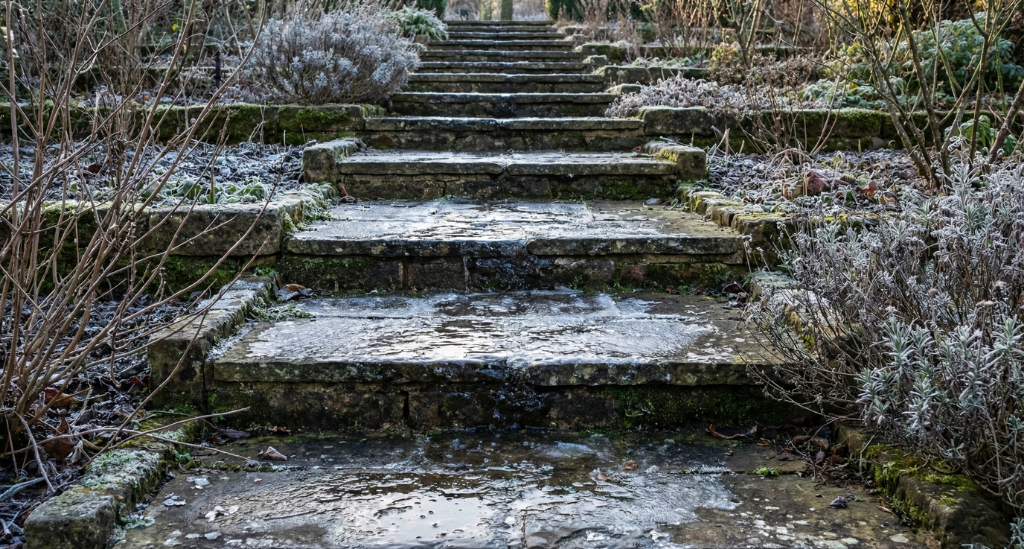
Outdoor steps and pathways become one of the biggest safety risks around the home during winter. Ice forms quickly on shaded surfaces, moisture lingers longer, and even a thin frost can turn stone, concrete, or paving into a slip hazard. Each winter, avoidable falls occur simply because outdoor access routes were not prepared for cold conditions.
Protecting steps and pathways is not just about reacting to ice once it appears. Long-term safety comes from understanding why ice forms, how surfaces behave in winter, and what preventative measures reduce risk before temperatures drop.
Why Ice Forms So Easily on Steps and Paths
Ice develops when moisture remains on a surface long enough to freeze. Steps and pathways are especially vulnerable because they are often shaded, exposed to wind-driven rain, or positioned where water naturally flows. Even during dry days, overnight condensation can freeze on cold paving.
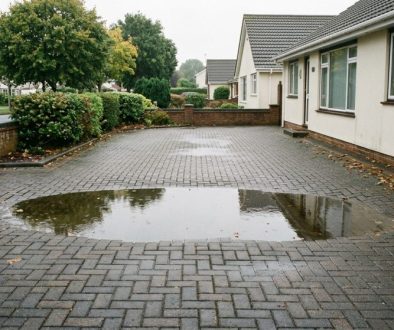
Poor drainage makes this worse. When water pools at the base of steps or along path edges, it freezes repeatedly, creating slick patches that are difficult to see in low winter light. These hidden hazards pose a serious risk, particularly for children, older residents, and visitors unfamiliar with the property.
Surface Materials Play a Major Role in Winter Safety
Not all paving materials behave the same way in winter. Smooth stone, polished concrete, and worn slabs offer very little grip once wet or icy. As temperatures fall, these surfaces become increasingly hazardous.
Textured paving, resin-bound surfaces, and rougher finishes provide better natural traction. Choosing materials with slip resistance in mind is one of the most effective ways to reduce winter accidents. For existing paths, surface treatments can improve grip without altering the overall appearance.
Check Levels and Drainage Around Steps
Steps often fail in winter because water is allowed to sit on or around them. Incorrect levels cause water to flow toward the steps rather than away from them. Over time, this leads to persistent dampness that freezes repeatedly.
Inspect steps after rainfall. If water gathers on treads or at the base, drainage improvements may be needed. Adjusting falls, adding discreet drainage channels, or correcting surrounding ground levels prevents moisture build-up and reduces ice formation.
Improve Grip with Anti-Slip Solutions
Anti-slip treatments are a practical way to increase safety on existing steps and paths. These include clear coatings with grit additives, textured sealants, or embedded non-slip strips on step edges.
When applied correctly, these solutions improve traction without altering the visual appeal of the surface. Anti-slip treatments are particularly effective on frequently used routes such as front steps, garden paths, and access points between the house and driveway.
Clear Organic Build-Up Before It Freezes
Leaves, moss, and algae trap moisture against paving surfaces. During winter, this organic layer prevents surfaces from drying and significantly increases ice risk. Even thin leaf residue can make steps dangerously slippery once frozen.
Regular sweeping and light washing reduce moisture retention. Clearing debris before cold nights helps surfaces dry faster, reducing the likelihood of ice forming overnight.
Use De-Icing Products Carefully
Salt is commonly used to melt ice, but excessive use can damage paving and surrounding planting. Salt draws moisture into surfaces and can accelerate freeze–thaw deterioration over time. It may also stain stone and weaken jointing materials.
Safer alternatives include sharp sand or fine grit, which improve traction without causing chemical damage. When salt is necessary, use it sparingly and rinse surfaces once temperatures rise to minimise long-term effects.
Add Lighting to Improve Visibility in Winter
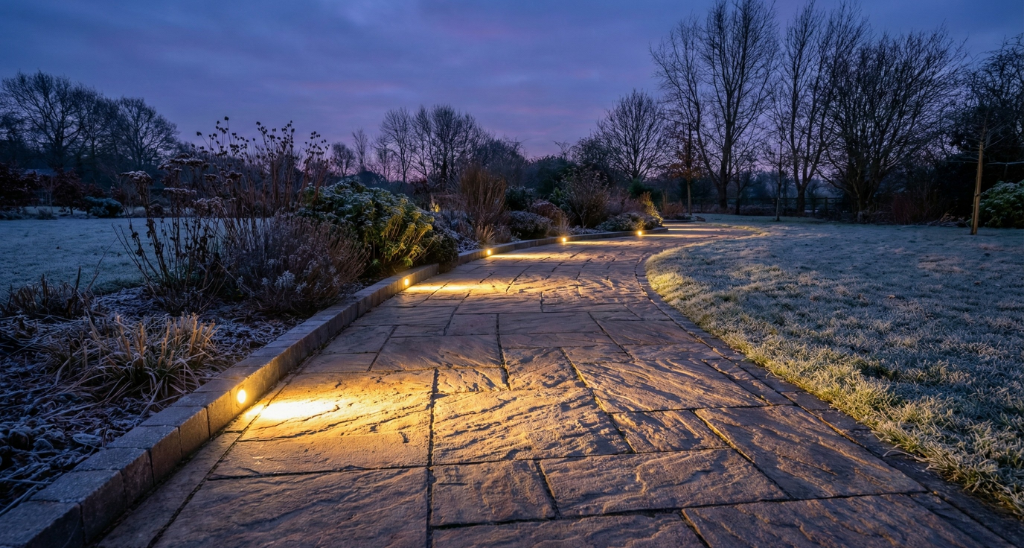
Poor visibility increases the risk of slips, even when ice is minimal. Winter days are shorter, and shaded areas may remain dim throughout the day.
Low-level lighting along steps and pathways improves visibility and highlights surface changes. Subtle LED lighting reduces trip hazards and allows icy areas to be spotted early, especially during early mornings and evenings.
Repair Small Defects Before They Become Dangerous
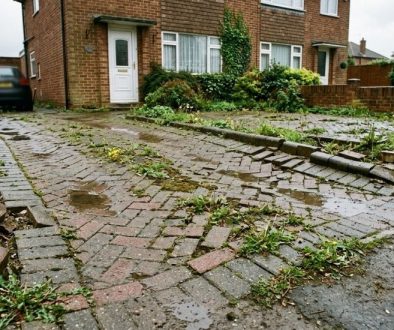
Cracked slabs, uneven edges, or loose steps create pockets where water collects and freezes. These defects significantly increase slip risk and worsen quickly during winter.
Repairing small issues early prevents moisture penetration and surface movement. Re-bedding loose slabs, replacing damaged treads, and reinforcing edges improves safety and prevents more serious damage later.
Why Winter Safety Should Be Proactive, Not Reactive
Many homeowners respond to ice hazards only after a problem occurs. By that point, surfaces may already be damaged, and the risk of injury has increased. Proactive winter preparation is far more effective.
Identifying problem areas, improving drainage, enhancing grip, and ensuring good visibility before freezing conditions arrive keeps outdoor access routes safe throughout the season.
Make Winter Safer with Ominiworks
Outdoor steps and pathways should remain safe and usable all year, not just during warmer months. With the right preparation, winter ice hazards can be significantly reduced, protecting both people and property.
Ominiworks provides expert assessments, repairs, and upgrades to improve winter safety across driveways, steps, and garden pathways. Our solutions focus on long-term performance, drainage, and slip resistance.
Protect your outdoor spaces this winter—contact Ominiworks today for professional advice and safety-focused improvements.