What to Expect During a Paving Project in Barnstaple
A paving project in Barnstaple can make a big difference to how your outdoor space looks, feels, and functions. Whether you are planning a new driveway, patio, garden path, or paved seating area, the finished surface is only one part of the work.
The real quality comes from the planning, preparation, drainage, sub-base, and installation behind it.
For many homeowners, the process can feel unclear at first. You may know you want a cleaner outdoor space or a more practical driveway, but you may not know what happens once the work begins.
Understanding each stage helps you ask better questions, compare paving contractors in Barnstaple more confidently, and avoid rushed decisions that could affect the final result.
Why Planning Matters Before Paving Starts
Good paving starts before any digging takes place. A contractor needs to understand how the area will be used, what condition the existing ground is in, and what finish will suit the property.
A driveway has different requirements from a patio. It needs to support vehicles, handle regular use, and remain stable under weight. A patio, on the other hand, may focus more on comfort, appearance, foot traffic, and how the space connects to the garden or house.
Planning should consider:
- Daily use and access
- Vehicle weight
- Drainage direction
- Existing ground conditions
- Material choice
- Edging and borders
- Long-term maintenance
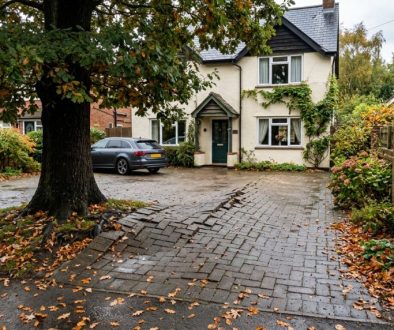
This stage helps prevent common problems such as puddling, sinking, loose edges, and uneven surfaces. It also gives the homeowner a clearer idea of what is realistic for the space.
The First Survey and Quotation
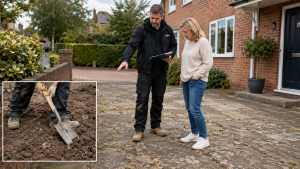
The first survey is where the paving installation process becomes more specific. A contractor will usually inspect the existing surface, measure the area, check access, and discuss what the homeowner wants from the finished project.
This is also the right time to talk about materials. Some homeowners already know they want block paving, porcelain paving, natural stone, resin-bound paving, or concrete paving slabs. Others need guidance based on their budget, style, and how much maintenance they want to manage.
During the quotation stage, the contractor may look at:
- The size of the area
- Whether excavation is needed
- Ground levels
- Drainage requirements
- Waste removal
- Material costs
- Labour and project timescale
A clear quotation should explain what is included, not just give a single price. This helps avoid confusion later, especially if the project involves groundwork, drainage changes, or removing an old paved surface.
Choosing the Right Paving Material
The right material depends on how the area will be used. There is no single best option for every Barnstaple home, which is why the choice should match the property, budget, and maintenance expectations.
Block paving is a popular choice for driveways and paths because it is flexible, strong, and repair-friendly. If a section becomes stained or damaged, individual blocks can often be replaced without disturbing the whole area.
Natural stone paving suits patios and garden areas where character matters. It offers a more textured, traditional appearance and works well with many outdoor settings.
Porcelain paving is often chosen for modern patios. It has a clean finish, low water absorption, and is relatively easy to maintain when installed correctly.
Resin-bound paving gives a smooth, modern look and can support drainage when paired with the right base. It is often used for driveways, paths, and contemporary outdoor spaces.
Concrete paving slabs can be practical for simple patios and paths. They are usually more cost-effective than premium materials and can still create a tidy, usable surface.
For homeowners comparing different finishes, working with a local paving company in Barnstaple can help make the decision clearer before work begins.
Site Preparation and Excavation
Site preparation is one of the most important parts of any Barnstaple paving project. Before the new surface can be installed, the old surface may need to be removed. This could include grass, soil, concrete, damaged paving, or an uneven existing driveway.
Excavation must be carried out to the correct depth for the intended use. A driveway usually needs stronger preparation than a light-use garden path because it has to support vehicles. If the ground is not excavated properly, the surface may move, dip, or crack over time.
This stage may include:
- Removing the existing surface
- Digging to the required depth
- Clearing waste and loose material
- Checking ground stability
- Preparing the area for the sub-base
- Setting the correct levels
Although excavation is not the most visible part of the work, it has a major effect on how long the finished paving lasts.
Drainage and Levels
Drainage planning should never be treated as an afterthought. A paved surface needs to manage rainwater properly, especially in outdoor areas close to the house.
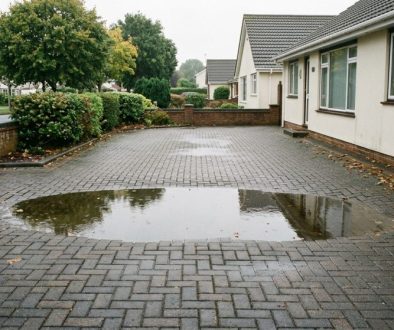
Poor drainage can lead to standing water, slippery areas, staining, movement, and long-term surface damage. Water should not be allowed to sit against walls, thresholds, or doorways. The paving needs to be laid with the correct fall so water moves safely away from the property or towards a suitable drainage point.
Drainage solutions may include channels, permeable materials, adjusted levels, or careful surface falls. The right option depends on the site. This is why levels should be checked before the final surface is installed.
For driveways, drainage is especially important because water can collect in low areas where vehicles regularly pass. For patios, poor drainage can make the space uncomfortable to use and harder to maintain.
Building the Sub-Base
The sub-base is the hidden layer beneath the paving. It supports the surface above and helps reduce movement over time. Without a stable sub-base, even high-quality paving materials can fail.
A suitable aggregate is usually laid and compacted in layers. The depth and strength of the sub-base will depend on the type of paving and how the area will be used. Driveways need a stronger base than patios because they carry more weight.
Good compaction matters because loose material can settle after installation. This can cause dips, uneven joints, and movement in the finished surface. A strong sub-base helps the paving stay level, stable, and usable for longer.
Installing the Chosen Surface
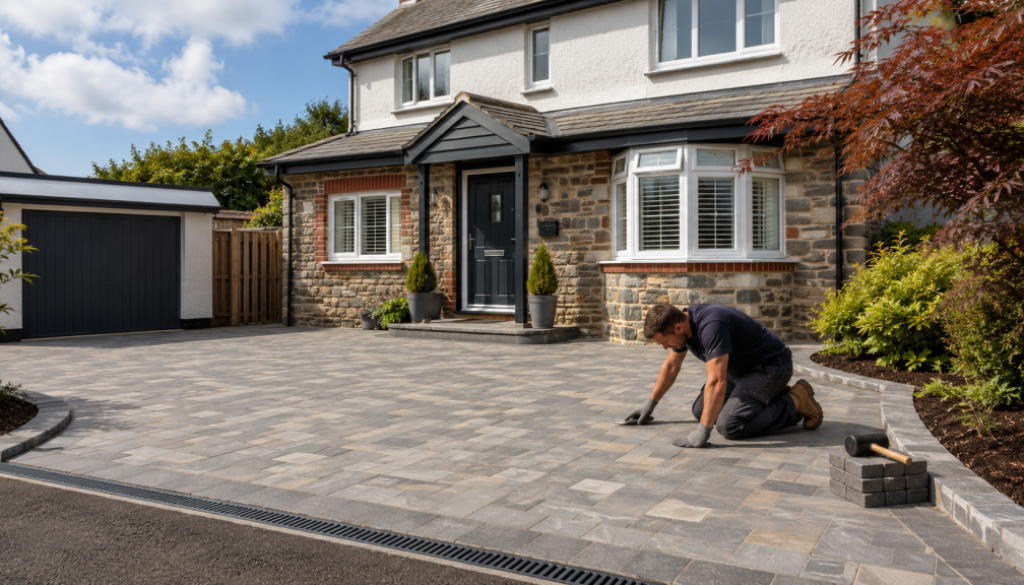
Once the preparation is complete, the final paving surface can be installed. This is the stage most homeowners look forward to because the space starts to take shape visually.
The method depends on the material. Block paving is laid in a chosen pattern with neat edge details. Porcelain and natural stone require careful placement, spacing, and cutting. Resin-bound surfaces need suitable preparation and controlled installation for a smooth finish.
During this stage, the installer checks levels, lines, edges, and overall appearance. Small details matter. Neat cuts around walls, drains, steps, borders, and garden features can make the difference between an average finish and a professional one.
The surface should not only look good when first installed. It should also be practical for daily use.
Finishing Touches and Clean-Up
A paving project is not finished the moment the last slab or block is placed. The final details help complete the look and protect the structure.
Depending on the material, this may include jointing, brushing in kiln-dried sand, securing edges, cleaning the surface, checking drainage, and removing waste from the site. A final inspection should make sure the paving is neat, stable, and ready to use.
Good clean-up also matters. Homeowners should not be left with piles of debris, loose materials, or messy access areas. The finished space should feel ready, usable, and properly completed.
Aftercare advice may also be given. This can include when to use the surface, how to clean it, and what maintenance may be needed over time.
How Long Does a Paving Project Take?
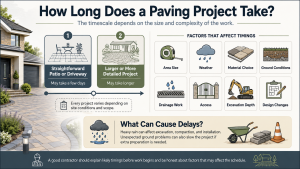
The timescale depends on the size and complexity of the work. A straightforward patio or driveway may take a few days, while larger or more detailed projects can take longer.
Several factors affect timing, including:
- Area size
- Weather
- Material choice
- Ground conditions
- Drainage work
- Access
- Excavation depth
- Design changes
Weather can be a major factor. Heavy rain can affect excavation, compaction, and installation, depending on the material being used. Unexpected ground problems can also slow the process if additional preparation is needed.
A good contractor should explain likely timings before work begins while being honest about factors that may affect the schedule.
Common Delays Homeowners Should Know About
Some delays are unavoidable, but many can be reduced with proper planning. Poor weather is one of the most common causes, especially when groundwork is involved.
Hidden issues beneath an old surface can also cause delays. Once the existing paving or soil is removed, the contractor may find soft ground, poor previous workmanship, drainage problems, or unstable areas that need extra attention.
Last-minute design changes can also affect timing. Changing materials, layout, borders, or drainage after work begins may require more labour or different supplies.
The best way to avoid delays is to make key decisions early and allow the contractor to assess the site properly before installation starts.
Plan Your Barnstaple Paving Project With Confidence
A successful paving project depends on more than the visible finish. The groundwork, drainage, sub-base, material choice, and installation all play a role in how the surface performs over time.
If you are planning a paving project in Barnstaple, take time to understand the process before choosing a contractor or material. A well-planned surface should suit your property, handle daily use, and stay practical in different weather conditions.
For driveways, patios, paths, and outdoor paving, Ominiworks can assess your space, discuss suitable materials, and help you plan the project properly from the start.
Contact Ominiworks to arrange a free survey visit and get clear advice for your Barnstaple paving project.