How to Prepare Your Driveway for Holiday Guests and Extra Parking
Knowing how to prepare your driveway for holiday guests can prevent blocked cars, awkward reversing, damaged paving, and muddy trips to the front door.
A few checks will help every vehicle fit safely while keeping the entrance tidy throughout the holiday period.
Start With a Clear Parking Plan
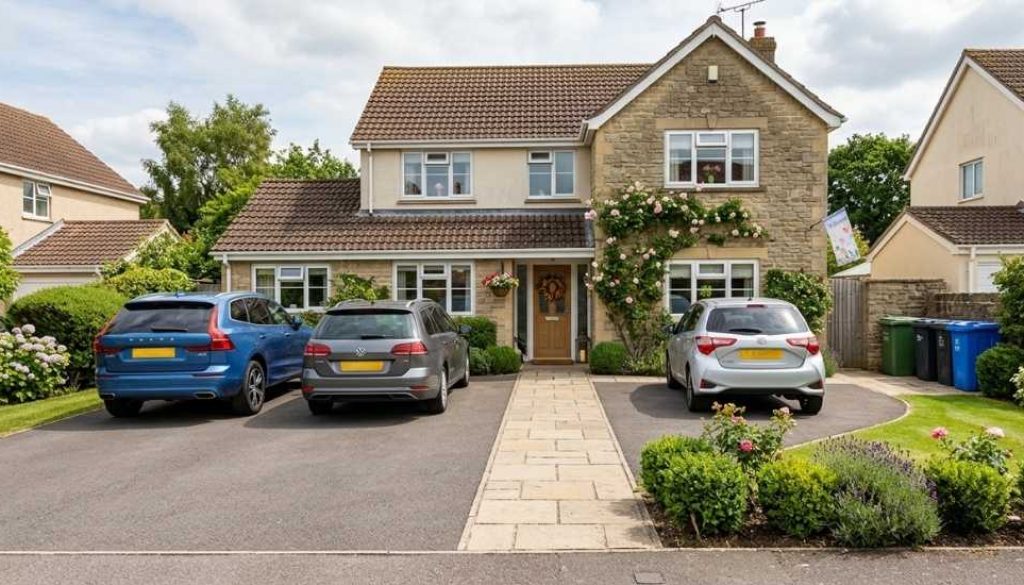
Before cleaning or moving anything, decide how the available space will be used. Count the vehicles expected, check their approximate sizes, and identify which cars may need to leave first. This avoids a tightly packed driveway becoming a puzzle after dinner.
Walk the full area and look for unused space beside bins, planters, storage boxes, or garden furniture. Moving these items temporarily may create enough room for another small car without forcing tyres onto lawns or planted borders.
Ask overnight guests where possible to park furthest from the road. Day visitors can then use easier spaces near the entrance, making arrivals and departures simpler. Where several cars must share one driveway, let drivers know the parking order before they arrive. Confirm visitors understand the plan before travelling, especially during darker, wetter conditions.

Remove Clutter and Trip Hazards
Driveways often collect more obstacles than homeowners realise. Children’s bikes, hosepipes, tools, delivery boxes, plant pots, and loose decorations can reduce parking space or create hazards in poor light.
Clear the surface and nearby paths several days before guests arrive. Store movable items securely rather than pushing them against the edge, where they may still obstruct doors or mirrors.
Pay close attention to:
- Loose cables from outdoor lights
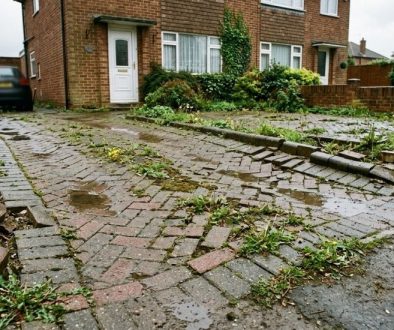
- Raised edging or unsettled blocks
- Slippery leaves and moss
- Low branches near parked vehicles
- Cracked pots or unstable ornaments
- Poorly placed wheelie bins
A clear route from each parking space to the entrance is as important as fitting the cars themselves.
Clean the Driveway Surface
A clean driveway looks more welcoming and makes surface problems easier to spot. Sweep away leaves, grit, soil, and loose stones before washing any suitable paving.
Use cleaning methods recommended for the driveway material. Excessive pressure can disturb jointing sand, damage older surfaces, or loosen weak areas. Resin, block paving, tarmac, concrete, and natural stone each respond differently, so avoid treating every surface in the same way.
Remove oil marks promptly with an appropriate cleaner. Fresh stains are usually easier to manage than marks left beneath parked vehicles for several weeks.
Check for Damage Before Extra Cars Arrive
Extra vehicles place more pressure on weak sections of a driveway. Small dips, rocking blocks, broken edges, and crumbling joints may worsen when several cars are parked close together.
Inspect the surface during daylight. Walk slowly across the driveway and note any movement underfoot. Check the edges, drainage channels, inspection covers, steps, and areas where tyres usually turn.
Warning signs include:
- Paving blocks that shift when stepped on
- Cracks that have widened or spread
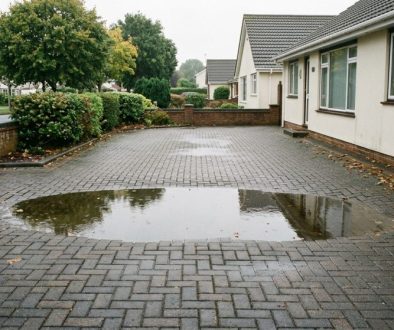
- Sunken sections that hold water
- Loose kerbs or border stones
- Soft ground beside the driveway
- Damaged drain covers
Keep heavy vehicles away from questionable areas until they have been assessed.

Protect Driveway Edges and Garden Borders
Drivers unfamiliar with your property may misjudge narrow entrances, curved edges, or small changes in level. This can damage paving borders, lawn edges, fence posts, and planting.
Make boundaries easy to see with low, stable markers or suitable outdoor lighting. Avoid sharp stakes, loose bricks, or objects that could damage tyres. Reflective driveway markers may help at rural homes or entrances with limited street lighting.
Ask guests to avoid mounting the edge, even for a short time. A driveway border supports the main surface, so repeated pressure can loosen blocks and weaken the surrounding ground.
Improve Lighting For Evening Arrivals
Holiday visits often involve arrivals after dark. Check that entrance lights, path lights, and motion sensors are working before guests travel.
Lighting should show the driveway width, steps, pathways, walls, and changes in height without shining directly into a driver’s eyes. Replace failed bulbs and clean dirty covers so fittings provide their intended brightness.
Temporary battery lights can support darker corners, although they should be placed securely and kept away from wheel tracks. Good lighting reduces guesswork and helps passengers leave vehicles safely.
Keep Drainage Routes Open
Wet weather can quickly expose blocked or poorly planned drainage. Leaves, soil, and debris may stop channel drains from carrying water away, leaving puddles where guests need to walk.
Brush debris away from drainage grates and check that visible outlets are clear. Do not force tools deeply into drains or use harsh chemicals without knowing where the system leads.
Watch the driveway during rainfall if possible. Water flowing toward the house, garage, steps, or neighbouring property may signal a larger drainage issue that needs professional attention.
Give Guests Simple Parking Instructions
A short message before the gathering can prevent confusion on arrival. Explain which side to use, whether cars should face the road, and where larger vehicles fit best.
Mention any narrow gateposts, low walls, steep sections, drainage channels, or areas that should remain clear. Guests will usually appreciate practical directions, especially when visiting after dark or in poor weather.
Keep emergency access, pavements, dropped kerbs, and neighbouring entrances unobstructed. Parking convenience should never create problems for pedestrians, local traffic, or nearby households.
Make Space Work Better Beyond the Holidays
Holiday parking pressure can reveal that a driveway no longer suits the household. Perhaps the entrance feels cramped, the turning area is limited, or the surface has started sinking at the edges.
Small improvements may include widening a usable section, replacing loose paving, adding stronger borders, improving drainage, or linking the driveway more neatly with the front path. Larger changes may involve resurfacing or redesigning the layout.
Ominiworks can inspect tired, damaged, or poorly arranged driveways across the South West. Our team can recommend practical improvements based on vehicle access, drainage, surface condition, and the style of your home.
Get Your Driveway Guest-Ready
A safer holiday driveway begins with space, visibility, and a sound surface. Clear clutter, plan the parking order, clean the area, open drainage routes, and mark any awkward edges before visitors arrive.
Where cracks, dips, loose paving, or drainage problems make extra parking risky, arrange an inspection rather than relying on temporary fixes.
Contact Ominiworks to discuss driveway repairs, resurfacing, or a layout that handles everyday parking and busy family occasions.