Why January Exposes Driveway Problems Most Homeowners Miss
January is often when driveway problems finally become impossible to ignore. After weeks of rain, freezing nights, and limited sunlight, surfaces that appeared fine in autumn begin to show cracks, movement, and drainage issues. What homeowners are seeing in January is rarely new damage; it is usually the result of weaknesses that have been building for months or even years.
Understanding why these issues surface now helps homeowners take action early, before minor defects develop into expensive structural repairs later in the year.
Freeze–Thaw Cycles Reveal Hidden Weaknesses
January brings the most intense freeze–thaw activity of the year. Moisture that entered small cracks, joints, or porous surfaces during autumn freezes overnight and expands. When temperatures rise during the day, the ice melts and contracts, leaving the surface slightly weaker than before.
This repeated cycle gradually widens cracks and loosens joints. Driveways with even minor imperfections are particularly vulnerable, which is why January often exposes damage that was previously invisible.
Water Saturation Softens the Base Beneath the Surface
Extended winter rainfall saturates the ground beneath driveways. As the sub-base becomes waterlogged, it loses strength and stability. Vehicles passing over these weakened areas increase pressure, forcing movement in the surface above.
This is why January often reveals dips, uneven sections, or loose blocks. The surface itself may not be the original problem; the issue usually lies deeper, where moisture has compromised the foundation.
Block Paving Joints Are Often the First to Fail
Block paving relies on jointing sand to hold each unit in place. During winter, rainfall washes this sand away, leaving gaps that allow water to collect. Once freezing temperatures arrive, the trapped moisture expands and forces blocks apart.
In January, homeowners often notice loose blocks, widened joints, or uneven sections that were not present earlier in the season. Without re-sanding or stabilisation, this movement tends to spread across the driveway.
Hairline Cracks Become Structural Issues
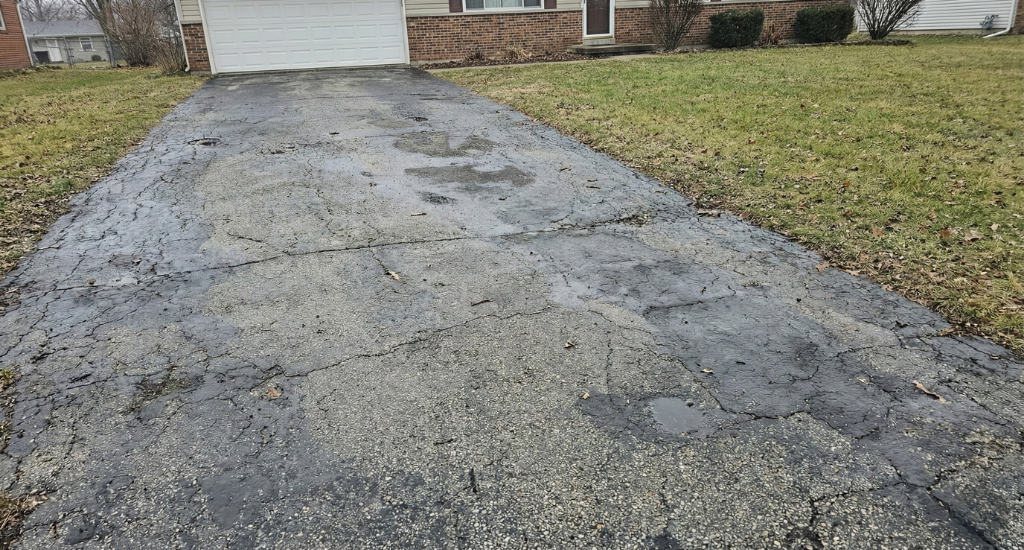
Small cracks in resin, concrete, or tarmac surfaces are easy to overlook during warmer months. In January, however, these cracks allow water to penetrate deeper layers and freeze repeatedly.
What begins as a cosmetic issue can quickly turn structural. Once moisture reaches the sub-base, the risk of long-term damage increases significantly. Early crack repair in winter prevents much larger repair work later.
Poor Drainage Becomes Impossible to Ignore
Drainage problems often go unnoticed until winter rainfall becomes persistent. January rain highlights areas where water pools, drains slowly, or runs toward garages and entrances.
Standing water increases frost damage, weakens jointing materials, and accelerates surface deterioration. If water regularly sits on your driveway in January, it is a clear sign that drainage needs attention.

Edges and Borders Lose Support in Winter
Driveway edges are particularly vulnerable during winter. As surrounding ground softens, unsupported edges begin to spread or crumble. This allows further water ingress and reduces overall structural integrity.
Once edge failure begins, surface movement accelerates. Reinforcing borders and kerbs early helps stabilise the entire driveway and prevents progressive damage.
January Is the Best Time for an Honest Assessment
Unlike summer, January does not hide driveway problems. Wet conditions and low temperatures expose issues clearly, making this the ideal time for inspection and planning.
Addressing problems now allows repairs to be scheduled before spring demand increases. Early intervention also prevents further deterioration during the remaining winter months.
Local Conditions Matter More Than Homeowners Realise
Soil type, drainage behaviour, and weather exposure vary significantly by location. Driveways in areas with heavier clay soils or poor natural drainage are more likely to show winter damage earlier.
For some Bath homes, a quick surface refresh is enough to stabilise winter-related damage, while other driveways are better suited to a full upgrade once underlying issues are identified. If you would like a professional opinion on whether to repair or replace your driveway, our Bath driveway specialists can assess your existing surface, explain the most practical options for your property, and provide a clear quote for any recommended work.
Small January Fixes Prevent Major Spring Repairs
Many January driveway issues can be addressed with targeted work such as re-sanding joints, sealing surfaces, improving drainage, or repairing cracks. These smaller interventions help prevent more extensive repair or replacement later in the year.
Ignoring January warning signs often results in higher costs once spring arrives. Early action protects both the surface and the structure beneath it.
Protect Your Driveway with Ominiworks
January reveals the truth about driveway condition. Cracks, movement, drainage problems, and edge failures are signals that should not be ignored. Addressing these issues early preserves structural integrity and avoids unnecessary disruption later.
Ominiworks provides professional driveway inspections, repairs, and upgrades designed for winter conditions and long-term performance. Our approach focuses on identifying underlying causes and applying durable solutions that last.
If January has revealed problems with your driveway, contact Ominiworks today to arrange an expert assessment and prevent further damage.