Resin, Block Paving, or Porcelain: Which Surfaces Perform Best in Cold Weather?
Cold weather tests every outdoor surface. Prolonged rain, freezing temperatures, and repeated freeze–thaw cycles place pressure on driveways and patios, often revealing how well a material really performs. What looks good in summer can behave very differently once winter sets in.
Choosing the right surface is not just about appearance. Drainage, moisture resistance, grip, and long-term stability all play a role in how well a driveway or patio copes with cold conditions. Understanding how resin, block paving, and porcelain perform in winter helps homeowners make informed decisions that last beyond one season.
How Cold Weather Affects Outdoor Surfaces
Winter introduces two main challenges: moisture and temperature change. Rain saturates surfaces and the ground beneath them, while freezing nights cause expansion and contraction. Materials that absorb water or rely on joints are particularly affected by this cycle.
When moisture freezes, it expands. As it thaws, it contracts. Over time, this movement weakens surfaces, opens joints, and increases the risk of cracking or shifting. The way each surface handles water largely determines how well it performs in winter.
Block Paving: Flexible but High-Maintenance in Winter
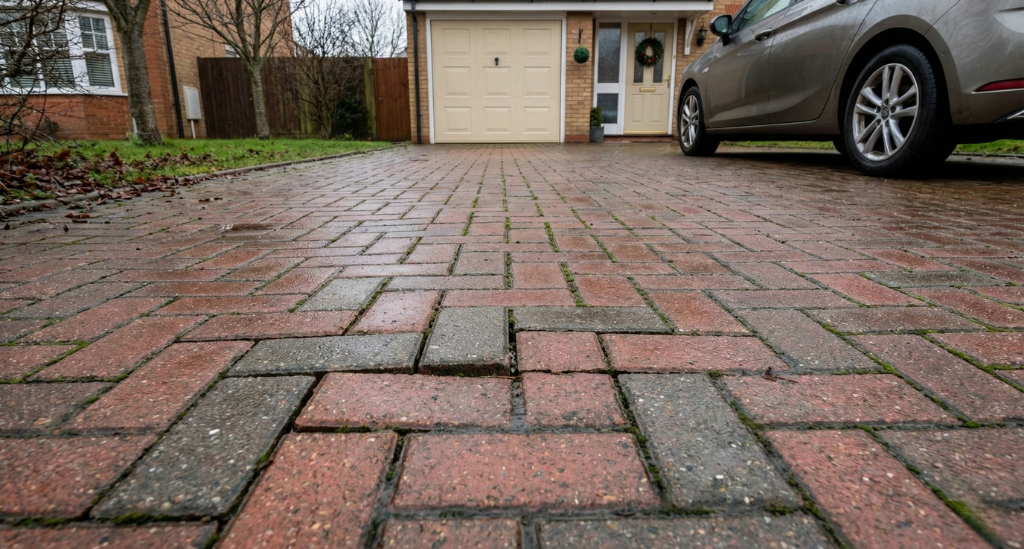
Block paving is made up of individual units laid on a bedding layer and held in place with jointing sand. This flexibility can be an advantage, but it also creates natural entry points for water.
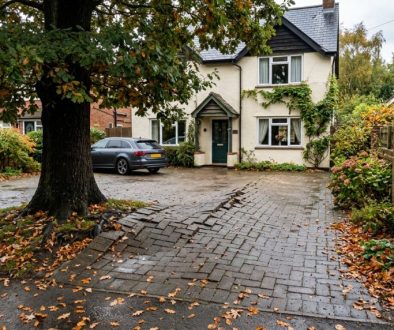
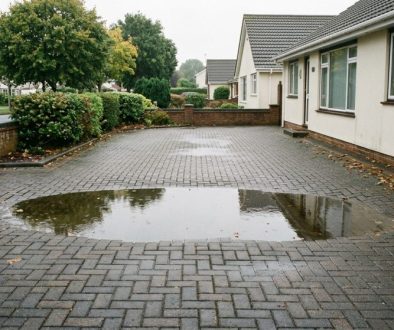
In winter, rainfall washes jointing sand away, allowing moisture to sit between blocks. When temperatures drop, freezing water forces blocks apart, leading to uneven levels and loose sections. Regular maintenance, such as re-sanding and joint stabilisation, is essential to keep block paving performing well through cold months.
Resin-Bound Surfaces: Strong Winter Drainage Performance
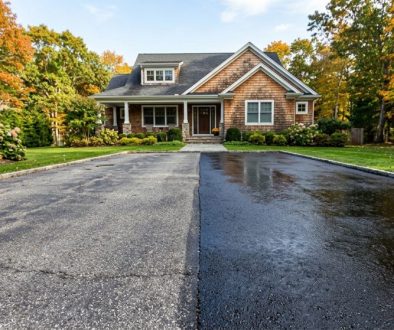
Resin-bound surfaces consist of natural aggregates mixed with resin to form a smooth, bonded layer. Unlike block paving, there are no joints for water to collect in. Instead, water drains through the surface and into the base below.
This permeability gives resin a clear advantage in winter. With less surface water sitting on top, there is a reduced risk of ice formation and frost damage. Resin surfaces also remain visually consistent during winter, with minimal movement when installed correctly.
Porcelain Paving: Low Absorption but Requires Correct Installation
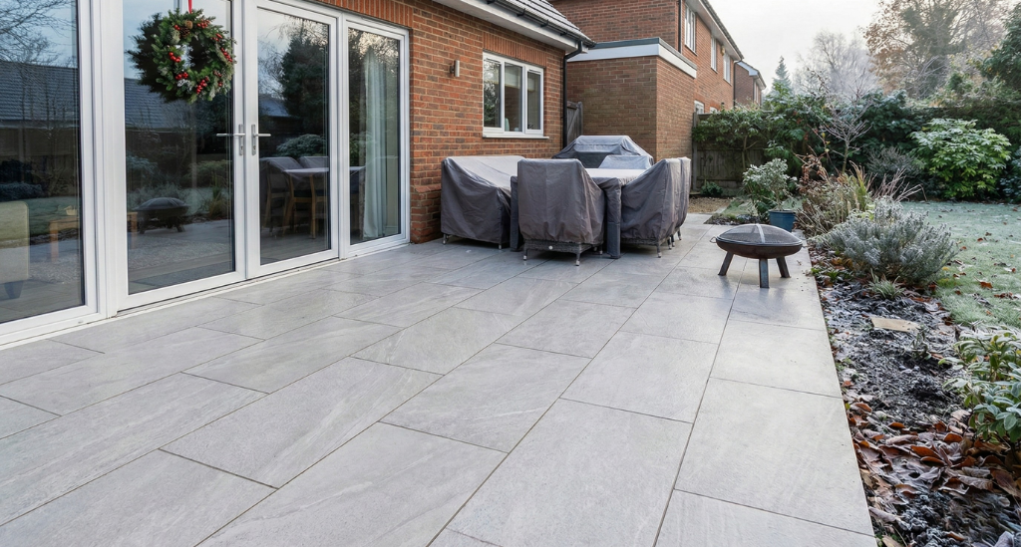
Porcelain paving is known for its low water absorption rate. This makes it resistant to frost damage when compared to natural stone. In cold weather, porcelain slabs are less likely to crack due to freezing moisture within the material itself.
However, performance still depends on installation quality. Porcelain must be laid on a fully supported base with proper drainage. Any voids beneath slabs can allow water to collect and freeze, leading to movement. When installed correctly, porcelain performs reliably through winter.
Grip and Safety in Cold, Wet Conditions
Winter surfaces must provide adequate grip. Wet leaves, frost, and algae increase slip risk on smooth materials.
Block paving can become slippery if joints hold moisture and algae develop. Resin-bound surfaces typically offer good natural grip due to their textured finish. Porcelain paving varies depending on the surface rating; outdoor-grade porcelain with anti-slip properties performs best in winter conditions.
Maintenance Requirements During Winter
Maintenance demands differ significantly between surfaces. Block paving often requires more attention during winter to prevent joint washout and movement. Sweeping, re-sanding, and occasional repairs are common.
Resin surfaces generally require minimal maintenance beyond keeping debris clear. Porcelain paving is also low maintenance but benefits from regular cleaning to prevent surface residue from reducing grip. Understanding these differences helps homeowners choose a surface that matches their maintenance expectations.
Long-Term Performance Matters More Than First Impressions
Short-term appearance often influences surface choice, but winter performance determines longevity. Materials that manage water effectively and resist freeze–thaw stress require fewer repairs over time.
A surface that looks perfect in summer but struggles each winter will eventually need corrective work. Choosing materials based on how they behave in cold weather helps avoid unnecessary costs and disruption.
Groundwork Is Just as Important as the Surface
Regardless of material, winter performance depends heavily on what sits beneath the surface. Correct excavation depth, high-quality sub-base materials, proper compaction, and effective drainage are essential.
Even the most winter-resistant surface will fail if groundwork is rushed or poorly designed. Professional installation ensures the chosen material can perform as intended through cold, wet conditions.
Which Surface Is Right for Your Home?
There is no single best option for every property. Block paving suits homeowners prepared for regular maintenance. Resin-bound surfaces offer strong drainage performance and low upkeep. Porcelain paving provides durability and clean aesthetics when installed correctly.
The right choice depends on usage, exposure, drainage conditions, and long-term expectations. Evaluating these factors ensures the surface selected will cope well with winter conditions year after year.
Choose Winter-Ready Surfaces with Ominiworks
Cold weather quickly highlights the strengths and weaknesses of outdoor surfaces. Choosing the right material, supported by proper groundwork, makes all the difference in long-term performance.
Ominiworks helps homeowners select and install driveways and patios designed to withstand winter conditions. Our focus is on durability, drainage, and practical performance, not just appearance.
If you’re considering a new surface or upgrading an existing one, contact Ominiworks today to discuss winter-ready options that suit your home.