Why Late Winter Is the Best Time to Plan Your Patio Installation
Most homeowners wait until the first warm weekend to think about their patio. By then, contractors are fully booked, material lead times stretch, and installation dates move into summer.
If you plan patio installation UK projects strategically, late winter is the smartest window to act.
This is the period before demand spikes, before soil becomes unpredictable from heavy spring rain, and before schedules tighten. Planning now does not mean installing immediately. It means securing your timeline, finalising design, and preparing properly.
Spring patio preparation begins long before spring arrives.
Demand Surges in Early Spring
Outdoor projects follow predictable seasonal behaviour. As daylight increases, so do enquiries.
By March and April:
- Installation slots fill quickly
- Material availability tightens
- Labour schedules become compressed
- Decision-making becomes rushed
Waiting until peak season often means compromising on timing.
Planning your patio installation in late winter allows you to:
- Secure a preferred start date
- Avoid inflated seasonal pricing
- Reduce scheduling pressure
- Allow time for thoughtful design decisions
Patios built in a hurry rarely match the outcome of projects planned carefully.
Late Winter Ground Conditions Allow Proper Assessment
Ground conditions play a decisive role in outdoor builds.
After winter rainfall, soil behaviour becomes clearer. Installers can assess:
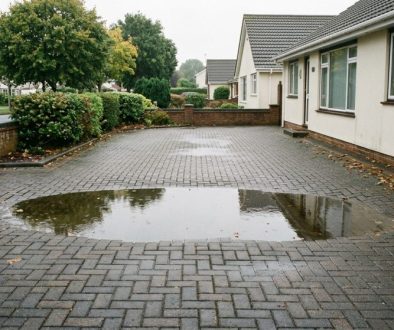
- Drainage patterns
- Water retention areas
- Soil stability
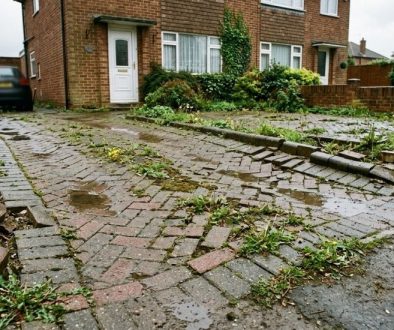
- Existing movement issues
Spring patio preparation should begin with understanding how your garden behaves under moisture.
Clay soil, for example, expands when wet and contracts when dry. Observing this during late winter helps determine sub-base depth and drainage requirements.
Planning during this period ensures groundwork is designed for real conditions, not assumptions.
Better Design Decisions Without Pressure
When homeowners rush into spring installations, decisions often revolve around availability rather than suitability.
Late winter planning provides time to consider:
- Layout optimisation
- Step placement
- Lighting integration
- Seating walls
- Future upgrades
Outdoor spaces are extensions of the home. They deserve deliberate planning.
Designing a patio should feel measured, not reactive. Taking time now prevents regret later.
Material Availability Is More Predictable
As the season progresses, popular paving styles can experience supply constraints.
Late winter planning allows:
- Advance ordering of chosen materials
- Flexibility in selection
- Avoidance of substitute products
Material choice should align with performance and long-term durability, not availability on the day of installation.
Whether selecting porcelain for low absorption or natural stone for character, proper scheduling ensures you are not forced into compromise.
Installation Conditions Improve as Temperatures Rise
Planning in late winter does not mean installing during freezing temperatures.
Instead, it positions your project to begin as soon as conditions stabilise in early spring.
This sequence allows:
- Ground assessment and preparation planning in late winter
- Material procurement ahead of demand
- Installation during optimal early-season weather
It is a coordinated approach rather than a reactive one.
The best time to install patio surfaces is when temperatures are stable, rainfall manageable, and soil properly prepared. Planning now makes that possible.
Avoiding the “Spring Panic” Decision Cycle
Every year, homeowners delay action until neighbours begin outdoor upgrades. Suddenly, projects feel urgent.
This reactive cycle leads to:
- Limited contractor choice
- Shortened design consultation
- Reduced time for comparison
- Increased stress
Planning your patio installation in late winter removes urgency from the equation.
It shifts the experience from rushed to strategic.
A Practical Step-By-Step Late Winter Plan
If you want to move forward now, focus on these actions:
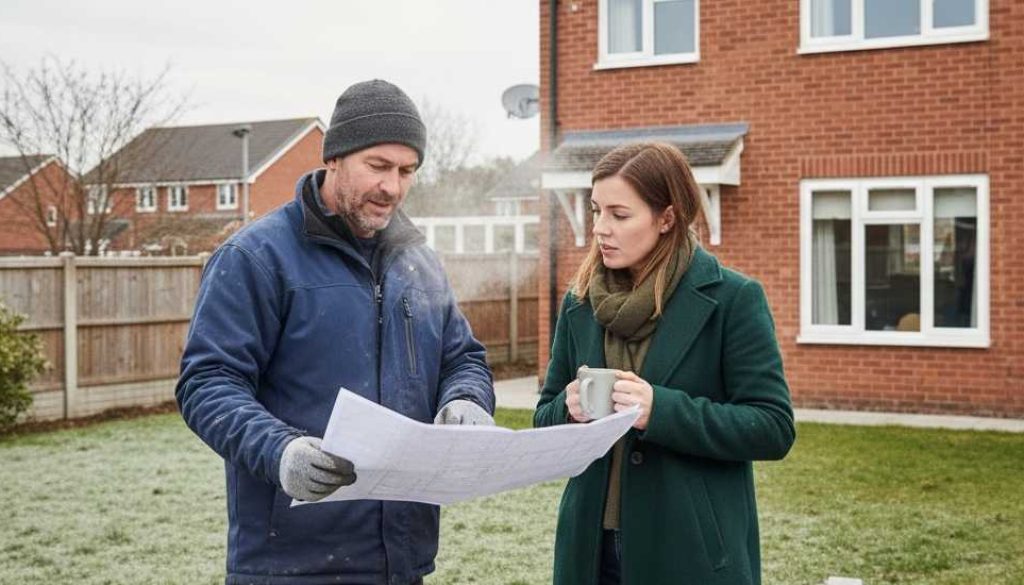
1. Book a Site Survey
A professional survey identifies:
- Soil composition
- Drainage patterns
- Required excavation depth
- Access constraints
Understanding these factors early improves budget accuracy.
2. Define How the Space Will Be Used
Consider:
- Dining areas
- Lounging zones
- Garden transitions
- Future features
Clear usage goals guide layout decisions.
3. Select Materials Based on Performance
Choose paving suited to your ground conditions and climate.
Do not select purely on appearance. Consider absorption rate, slip resistance, and maintenance requirements.
4. Secure Installation Dates Early
Early scheduling ensures your project progresses before peak season congestion.
A Note on Seasonal Planning
In areas with varied terrain and established properties, planning becomes even more valuable.
For homeowners considering Bath patios, late winter provides an opportunity to evaluate slope behaviour, drainage flow, and soil movement before spring growth conceals issues.
Older garden layouts may require subtle level adjustments or drainage solutions. Observing ground conditions during wetter months allows installers to design accordingly.
Seasonal awareness supports structural integrity.
Why Ominiworks Encourages Early Planning
At Ominiworks, patio projects begin with assessment before material selection.
Late winter surveys allow our team to:
- Evaluate soil and drainage conditions
- Recommend appropriate sub-base depth
- Plan excavation accurately
- Secure materials ahead of seasonal demand
This approach reduces delays and prevents structural shortcuts.
By the time early spring arrives, groundwork strategy, design layout, and scheduling are already in place. Installation can proceed efficiently and confidently.
Planning early is not about rushing work. It is about eliminating uncertainty.
Start Smart Before Spring Arrives
If you want to plan patio installation UK projects effectively, late winter is the ideal time to begin.
You gain:
- Stronger scheduling control
- Better design clarity
- Accurate ground assessment
- Reduced seasonal pressure
Spring patio preparation starts with planning, not paving.
Speak with Ominiworks now to arrange your site survey and secure your installation window before peak demand begins. A well-built patio is not the result of timing luck. It is the result of preparation.