What to Do When Your Last Contractor Ruined Your Driveway or Patio
A driveway or patio should feel solid the moment it is completed. Clean lines, even surfaces, and no movement underfoot. When that is missing, something has gone wrong beneath the surface.
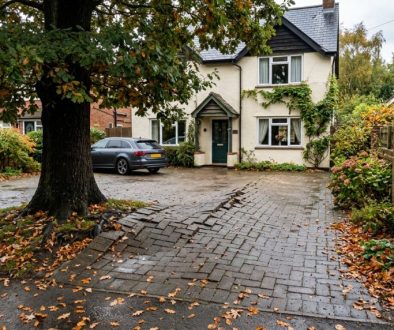
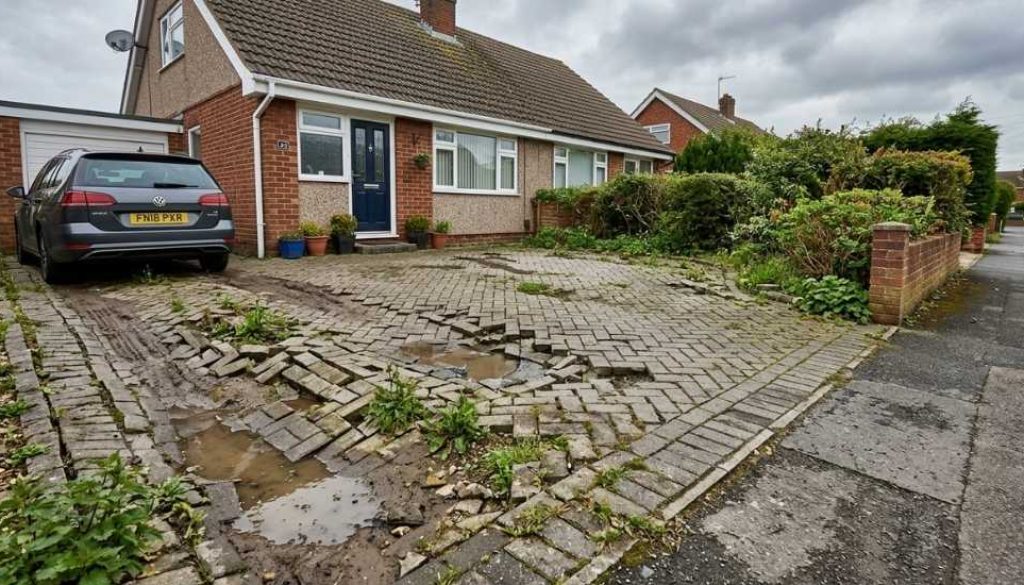
Many homeowners only realise this weeks or months later. What looked fine at first begins to show signs of poor workmanship:
- Paving starts to sink or shift
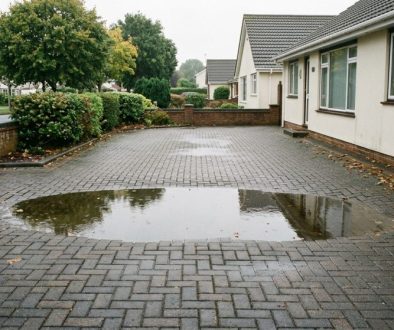
- Water pools in places it never did before
- Cracks appear along edges or joints
- Sections feel loose when walked or driven on
It is frustrating because the job has already been paid for. The space is supposed to be finished. Instead, it becomes something you have to fix again.
This situation is more common than most expect. At Ominiworks, a large portion of projects involve correcting work done incorrectly the first time.
Step One: Identify What Actually Went Wrong
Before jumping into repairs, it is important to understand the cause. Most failures come down to what sits underneath, not what you can see on top.
Poor Ground Preparation
The most common issue is an inadequate sub-base. If the groundwork is rushed or too shallow, the surface has nothing stable to sit on.
This leads to:
- Uneven settling
- Movement under pressure
- Early structural failure
Incorrect Materials
Using the wrong type of sand, base aggregate, or even paving itself can compromise durability. Cheaper materials often fail faster under normal use.
Lack of Proper Drainage
Water is one of the biggest threats to any paved surface. Without planned drainage:
- Water collects beneath the surface
- Freeze-thaw cycles cause expansion
- The base weakens over time
Rushed Installation
Speed often replaces care in poor-quality jobs. Corners are cut to finish quickly, leaving hidden issues behind.
Step Two: Avoid Quick Fixes That Do Not Last
It is tempting to patch the visible problem and move on. Filling cracks or re-sanding joints may improve appearance, but it rarely solves the root issue.
Think of it like repainting over damp plaster. It might look better for a short time, but the problem continues underneath.
Common short-term fixes that fail:
- Surface-level crack fillers
- Replacing a few loose blocks without correcting the base
- Adding sealants without addressing drainage
These solutions delay the inevitable and often make proper repairs more expensive later.
Step Three: Get a Proper Assessment
A reliable contractor will not start with a quote. They will start with an inspection.
At Ominiworks, this means:
- Checking levels across the entire surface
- Inspecting drainage flow and pooling areas
- Assessing the depth and condition of the base
- Identifying weak or unstable sections
This step is where many jobs are either saved or misdiagnosed.
A proper assessment tells you whether the issue is:
- Localised and repairable
- Structural and requires partial rebuild
- Severe enough to justify full replacement
Step Four: Decide Between Repair and Replacement
Not every bad installation needs to be completely removed. The right approach depends on how far the damage has progressed.
When Repairs Are Enough
Repairs can work if:
- The base is mostly stable
- Damage is limited to specific areas
- Drainage issues are minor
In these cases, sections can be lifted, corrected, and reinstalled.
When Replacement Is the Smarter Choice
Replacement becomes necessary when:
- The entire base is compromised
- Movement is widespread
- Water damage affects large areas
While replacement costs more upfront, it prevents repeated repair cycles.
What Proper Work Should Look Like
Understanding what should have been done helps you recognise quality moving forward.
A properly installed driveway or patio includes:
- Full excavation to the correct depth
- A compacted sub-base that supports load and drainage
- Accurate levelling to prevent water pooling
- Careful laying of the chosen surface material
- Clean, secure edging for long-term stability
It is a process, not just a surface finish.
Why Fixing Bad Work Costs More Than Doing It Right First
Many homeowners choose cheaper quotes to save money. The problem is that poor workmanship often leads to a second project.
You end up paying for:
- Removal of failed work
- Disposal of materials
- Reinstallation from scratch
It is similar to buying a cheap tool that breaks quickly. You pay twice, but only get one result that actually works.
How Ominiworks Approaches Rescue Projects
Fixing a failed installation requires more than standard work. It involves undoing mistakes before rebuilding properly.
At Ominiworks, rescue projects follow a structured approach:
- Full removal of compromised materials
- Rebuilding the base to the correct specification
- Installing proper drainage solutions
- Re-laying the surface with precision
Every stage is handled with the understanding that the previous job failed. That changes how the work is approached.
How to Avoid This Situation in the Future
If you are planning another project, the goal is to avoid repeating the same experience.
Key things to check before hiring:
- Detailed written quotes, not vague estimates
- Clear explanation of groundwork and materials
- Evidence of previous projects and results
- A guarantee that reflects confidence in the work
Good contractors explain what they are doing and why. If that is missing, it is a warning sign.
Final Thoughts: Fix It Properly, Not Twice
A bad driveway or patio is more than an inconvenience. It affects how you use your space and how your home feels overall.
Fixing it properly means addressing the cause, not just the symptoms.
At Ominiworks, the focus is simple. Do the job once, and do it right. Book your free site visit today.