How to Plan a Patio That Suits Your Bridgwater Garden
The best patios do not start with choosing paving slabs. They start with planning. Before any surface is laid, it helps to think about how the garden works, where the sun falls, how water drains, what style suits the house, and how much maintenance you want to take on.
For Bridgwater homeowners, this matters because gardens vary widely. Some homes have compact rear gardens, some have wider family spaces, and others need patios that connect carefully with lawns, paths, fences, or existing paving.
If you are planning a new outdoor space, Ominiworks provides patio installations in Bridgwater for homeowners who want a practical, well-finished result.
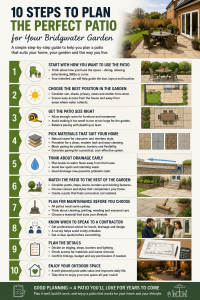
Start With How You Want to Use the Patio
A patio for outdoor dining needs different planning from a small seating corner. A space for children, pets, and regular family use may need a harder-wearing layout than a decorative patio used only occasionally.
If you want to entertain guests, the patio may need enough space for furniture, movement, lighting, and safe access from the house.
Common patio uses include:
- Outdoor dining close to the kitchen
- A seating area for family and guests
- A quiet coffee spot in the sun
- A barbecue or cooking area
- A low-maintenance garden surface
- A practical route between the house, lawn, and side access
Once you know the purpose, the rest of the planning becomes easier. The size, position, materials, edging, and layout should all support how the space will actually be used.
Choose the Best Position in the Garden
Patio placement has a big effect on how comfortable the space feels. Many homeowners automatically place the patio directly outside the back door, and in many cases, that is the most practical choice. It gives easy access from the house and creates a natural transition between indoor and outdoor living.
However, it is still worth checking whether that position is right for your garden.
Think about:
- Where the sun reaches during the day
- Which areas feel private
- Whether the patio will be exposed to wind
- How close it is to doors, paths, and side access
- Whether water already collects in that part of the garden
- What view you want when sitting outside
In Bridgwater, wet weather should also be considered. A patio should not be placed where water naturally gathers unless drainage and levels are planned properly. Otherwise, the area may become slippery, stained, or uncomfortable to use after rain.

Get the Patio Size Right
Patio size is one of the most common planning mistakes. A patio that is too small can feel cramped once furniture is added. A patio that is too large can dominate the garden and make the space feel hard or empty.
A useful starting point is to think beyond the furniture itself. You need enough space to pull out chairs, walk around the table, open doors, and move between the house and garden without squeezing past everything.
For a small seating area, a compact paved space may be enough. For a dining area, you will usually need more depth so chairs can move comfortably. For a family garden, it may be better to combine a practical patio with lawn, planting, or gravel borders so the garden still feels balanced.
Smaller gardens often look better with simple shapes. Too many curves, colours, or patterns can make the space feel busy.
Larger gardens can usually handle more defined zones, such as a main dining patio near the house and a quieter seating area further into the garden.
Pick Materials That Suit the Home
There is no single best material for every Bridgwater garden. The right choice depends on the property style, how the patio will be used, and the finish you want.
Natural Stone
Natural stone is popular for patios because it has texture, variation, and character. It can suit traditional homes, cottage-style gardens, and properties where a softer, more natural finish works well.
Porcelain
Porcelain paving is often chosen for a cleaner, more contemporary finish. It can work well with modern extensions, rendered walls, neat fencing, and simple garden layouts.
Block Paving
Block paving can work well where the patio needs pattern, borders, or a link to an existing driveway or path. It offers design flexibility and can suit both traditional and modern homes depending on the colour and layout.
Concrete Paving
Concrete paving can be a practical and cost-conscious option for simple garden spaces. It can suit homeowners who want a durable patio without a high-end material finish.
Think About Drainage Early
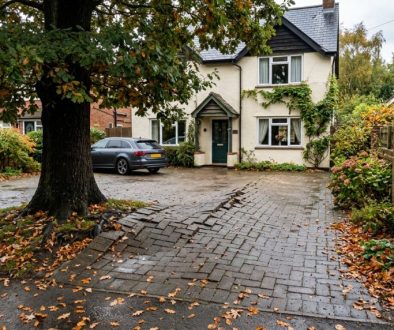
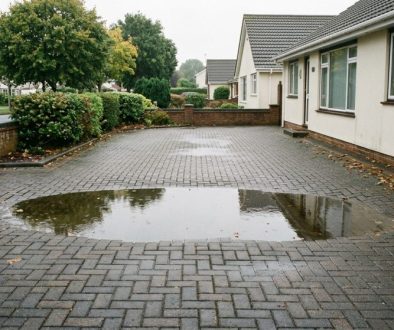
Drainage should be considered before the patio is laid, not after problems appear. A patio needs to move water away from the house and avoid creating low spots where puddles sit after rain.
Poor drainage can lead to several issues:
- Standing water on the surface
- Slippery areas after wet weather
- Green growth in shaded corners
- Water running towards the house
- Damp edges near walls or thresholds
- Uneven wear over time
Match the Patio to the Rest of the Garden
A patio should not feel like a separate slab placed into the garden. It should connect with the house, boundaries, planting, and access routes around the property.
Good patio planning may include:
- Edging that gives the patio a neat finish
- Steps between different garden levels
- Borders to soften the paved area
- Raised beds beside the seating space
- A path linking the patio to gates or sheds
- Colours that work with brickwork or fencing
These details can make the patio feel more finished. They also help the space work better day to day. For example, a clear path to the side gate can stop people walking across wet grass.
A raised bed beside the patio can add planting without taking over the seating area. A neat edge can stop the patio from looking unfinished against the lawn.
Plan for Maintenance Before You Choose
Every patio needs some maintenance. The amount depends on the material, the garden setting, and how much shade, leaf fall, and daily use the surface gets.
Before choosing materials, ask yourself how much upkeep you are willing to manage.
You may need to think about:
- Sweeping debris from the surface
- Washing the patio when dirt builds up
- Keeping joints clear of weeds
- Re-sanding joints where required
- Cleaning shaded or damp areas more often
- Checking edges and steps for movement over time
Plan the Patio Before You Start Laying
A well-planned patio should feel natural to use. It should suit the house, fit the garden, handle normal weather, and give you enough space for the way you want to live outdoors.
If you are planning a new patio for your Bridgwater home, Ominiworks can help you choose a layout, material, and finish that suits your garden.
Visit the team’s page for patio installations in Bridgwater to arrange a free survey and quote.
Contact us today.