Driveway Makeovers That Actually Last: What Most Installers Get Wrong
A driveway makeover should improve more than how your property looks. It should resolve the issues that caused the original surface to fail in the first place. Yet many projects focus almost entirely on appearance.
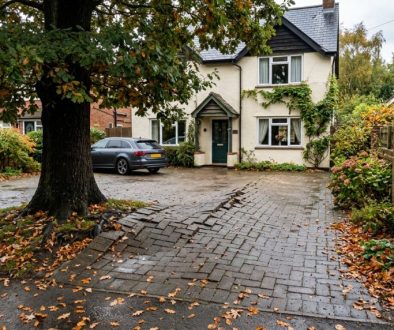
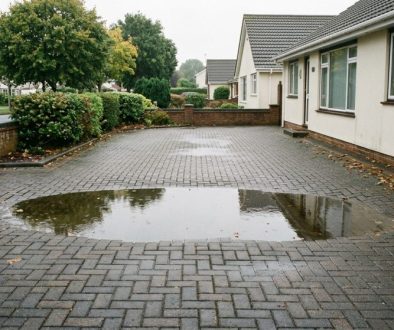
That is why some driveways look sharp when first completed, then slowly fall back into the same problems. Cracks reappear. Low spots return. Water starts pooling again.
The issue is rarely the new surface. It is the decision to build over problems instead of dealing with them properly.
If you want a driveway makeover that lasts, the work has to go deeper than what you can see.
The Biggest Mistake: Covering Instead of Fixing
One of the most common shortcuts in driveway work is keeping the existing surface and laying something new on top. It saves time and reduces labour, which makes the quote more attractive. On paper, it feels efficient.
In practice, it creates a short-term result.
You will often see installers:
- Lay new block paving or resin directly over an old, uneven base
- Fill visible cracks without checking what caused them
- Skip full removal to avoid excavation costs
At first, the driveway looks transformed. The finish is clean and consistent. But underneath, nothing has really changed.
As the original base continues to shift or weaken, that movement transfers upward. The new surface begins to reflect the same issues. It may take months or a couple of seasons, but it almost always shows up.
This is why surface-level fixes tend to age quickly. They are built on top of a problem that was never resolved.
Why The Existing Base Matters More Than People Think
The base is what carries the load of everything above it. Cars, foot traffic, weather changes, and water all pass their impact down through the surface into the foundation.
If that base is unstable, no surface material can compensate for it.
A proper makeover starts with an honest assessment:
- Is the base still compact and structurally sound?
- Has any part of it already started to sink or spread?
- Is there enough depth to support a new installation?
If the answer to any of those is no, then sections need to be removed and rebuilt. This is where many homeowners hesitate.
From the outside, the damage may not look severe enough to justify digging everything up. But small weaknesses in the base tend to grow once a new layer is added on top.
Think of it like laying flooring over a warped subfloor. It may look level at first, but the movement underneath eventually shows through.
Drainage: The Detail That Quietly Decides Longevity
Drainage rarely gets the attention it deserves, yet it is one of the biggest factors in whether a driveway lasts.
When water is not directed away properly, it begins to affect the structure from below. It softens the ground, reduces stability, and creates slow, consistent movement.
You might first notice it in small ways:
- Water sitting in certain areas after rain
- Edges that stay damp longer than the rest
- Slight dips that were not there before
Over time, those signs develop into more serious issues like cracking, sinking, or surface wear.
A proper installation accounts for water from the start. This usually involves a combination of:
- A gentle fall away from the property
- Strategic drainage points such as channels or soakaways
- A base that allows controlled water movement without weakening
Skipping this step does not save much time, but it significantly reduces lifespan.
Material Choice Should Match How the Driveway Is Used
Material selection is often driven by appearance, which is understandable. A driveway is a visible part of the home. But performance should carry equal weight in the decision.
Different materials behave differently under pressure and exposure.
For example:
- A decorative option may look impressive but wear faster under daily vehicle use
- Some surfaces handle heavy loads better than others
- Certain finishes show staining, tyre marks, or weathering more quickly
There is also the environment to consider. A shaded driveway may stay damp longer. An exposed one may deal with more temperature variation. These factors influence how materials age.
A good installer will not just ask what you like visually. They will look at how the space is used day to day and recommend materials that hold up under those conditions.
The Hidden Cost of Rushing the Work
Time is often where quality begins to slip. A driveway installation involves several stages that depend on each other. If one step is rushed, it affects everything that follows.
Take compaction as an example. The base should be built up in layers, with each one compacted properly before the next is added. This creates a stable structure that can handle weight consistently.
When this is rushed:
- Weak spots remain hidden within the base
- Certain areas settle more than others
- The surface begins to shift over time
The same applies to the final finish. Alignment, spacing, and consistency all require attention. When installers work too quickly, those details start to slip.
A driveway that is completed in record time often carries problems that only become visible later.
What A Driveway Makeover That Lasts Actually Looks Like
A lasting result comes from following a process that prioritises structure, not just appearance.
It usually flows like this:
- Initial assessment
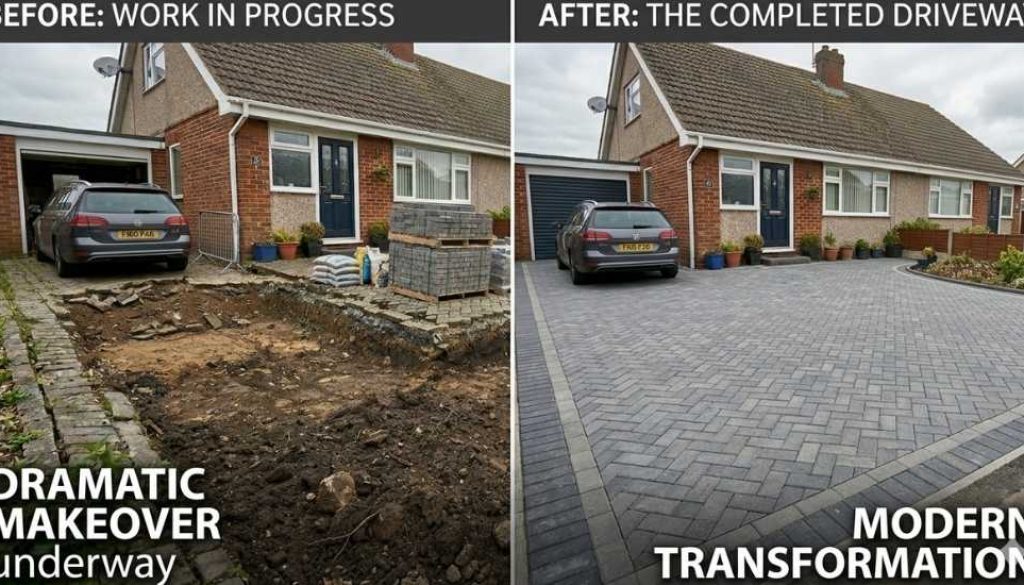
The existing driveway is checked properly, including the condition of the base and any signs of movement. - Removal of failed areas
Sections that cannot support a new surface are taken out rather than covered. - Rebuilding the foundation
The base is installed to the correct depth and compacted in stages to ensure stability. - Drainage integration
Water management is built into the design so it does not become an issue later. - Careful surface installation
The final layer is laid with precision, focusing on both function and finish.
Each stage has a clear purpose. When they are all done properly, the result holds its shape, drains correctly, and wears evenly over time.
How Ominiworks Delivers Driveways That Hold Up
At Ominiworks, driveway makeovers are approached with a focus on long-term performance rather than quick visual improvement.
That means looking beyond the surface before any work begins. If there are underlying issues, they are addressed first, even if it adds time to the project.
Their process centres on:
- Identifying and fixing structural problems early
- Using materials suited to how the driveway is actually used
- Carrying out each stage with attention to detail
Many of the projects they take on involve correcting work that was originally done too quickly or without proper groundwork. The difference comes from treating the makeover as a full solution, not just an upgrade.
Final Thoughts: Avoid the Surface Fix
A driveway makeover should not be a temporary improvement. It should be a solution.
If the focus stays on appearance alone, the same issues will return. It may take time, but the underlying problem does not disappear on its own.
Choosing the right approach means asking better questions:
- What caused the original failure?
- Has that issue been fully addressed?
- Is the structure strong enough to support the new surface?
A driveway makeover that lasts is built from the ground up, even if most of that work is never seen. Book your free site visit with us today.