Is Your Garden a Wasted Space? How to Turn It Into Something Usable
At a glance, many gardens appear perfectly fine. There is grass, perhaps a patio, and a fence marking the boundaries. On paper, it ticks the boxes. But the real test is not how it looks. It is how often you actually use it.
If the lawn turns soggy after rain, if there is nowhere comfortable to sit, or if the layout makes movement awkward, the space quickly becomes something you look at rather than live in. Over time, it gets ignored. Then it starts to feel like wasted potential.
Understanding how to make your garden more usable begins with recognising that appearance alone is not enough. A practical garden needs structure, reliable surfaces, and a layout that supports how you want to use the space day to day.
Why Many Gardens Fall Short
The problem is rarely a lack of space. More often, it is a lack of planning.
Certain issues come up repeatedly in underused gardens. You may recognise one or more of these:
- Lawns that stay wet long after rainfall
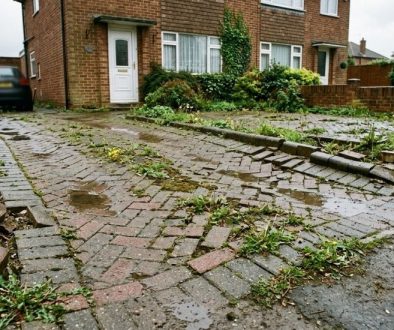
- Ground that feels uneven or difficult to walk across
- Seating areas that are either too small or poorly positioned
- Layouts that make the garden feel disconnected
Individually, these might seem minor. Together, they create friction. You start to avoid the space because it does not feel comfortable or practical to use.
A garden does not need to be large to be effective. It needs to be considered.
Why Layout Matters More Than Size
A common assumption is that a bigger garden offers more opportunity. In reality, size does not guarantee usability.
A poorly arranged large garden can feel empty and awkward, while a smaller one with a clear structure can feel purposeful and inviting.
It helps to think of your garden in the same way you would approach an indoor space. You would not place furniture randomly in a living room and expect it to work. The same principle applies outdoors.
Without a clear layout:
- Movement feels restricted
- Areas overlap in ways that do not make sense
- The space lacks a clear purpose
A thoughtful layout brings order. It guides how the space is used without making it feel rigid.
Creating Defined Zones Without Overcomplicating Things
One of the most effective ways to improve usability is by dividing the garden into functional areas. This does not mean turning it into a series of rigid sections. It is about giving each part of the garden a clear role.
For example, a well-balanced garden often includes:
- A seating area where you can relax or entertain
- A pathway that allows easy access across the space
- A softer green element that provides contrast and visual relief
These zones do not need to be large. What matters is that they are defined enough to feel intentional.
A simple shift, such as extending a patio slightly or introducing a clear walkway, can make the entire garden feel more organised. Movement becomes easier, and the space starts to feel usable rather than decorative.
Choosing Surfaces That Support Everyday Use
Materials play a significant role in how a garden functions. It is not just about how they look on installation day, but how they perform over time.
Different areas of the garden require different solutions. A single material used everywhere can limit how the space is used.
For instance:
- A solid patio area provides a reliable base for seating and dining
- Defined pathways prevent wear on grass and make movement easier in all weather
- Low-maintenance surfaces reduce the amount of ongoing work required
The goal is to create a balance between durability and appearance.
It is also worth considering how materials behave in real conditions. Some surfaces become slippery when wet. Others may stain or fade quickly. A good choice is one that remains practical throughout the year, not just in ideal weather.
Addressing Drainage Before It Becomes a Bigger Problem
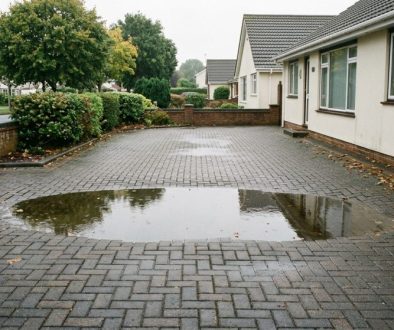
Drainage is one of the main reasons a garden becomes difficult to use. When water does not drain properly, it affects both the ground and any structures built on top of it.
You may notice the early signs:
- Grass that feels soft or muddy underfoot
- Water pooling in certain areas
- Sections of the garden that remain damp for long periods
Left unaddressed, these issues limit how and when the garden can be used.
Improving drainage does not always require a complex solution. In many cases, it comes down to:
- Adjusting levels so water flows away from key areas
- Introducing drainage channels where needed
- Using permeable materials that allow water to pass through rather than sit on the surface
A garden that drains well is far more reliable. It becomes a space you can use after rainfall rather than one you have to wait on.
Designing for Low Maintenance Without Losing Appeal
A usable garden should not feel like an ongoing project. If it requires constant upkeep, it becomes a task rather than a space to enjoy.
That does not mean removing all planting or character. It means making practical choices that reduce unnecessary effort.
This can include:
- Limiting large lawn areas that require frequent mowing
- Choosing materials that are easy to clean and maintain
- Designing layouts that prevent dirt from being tracked into key areas
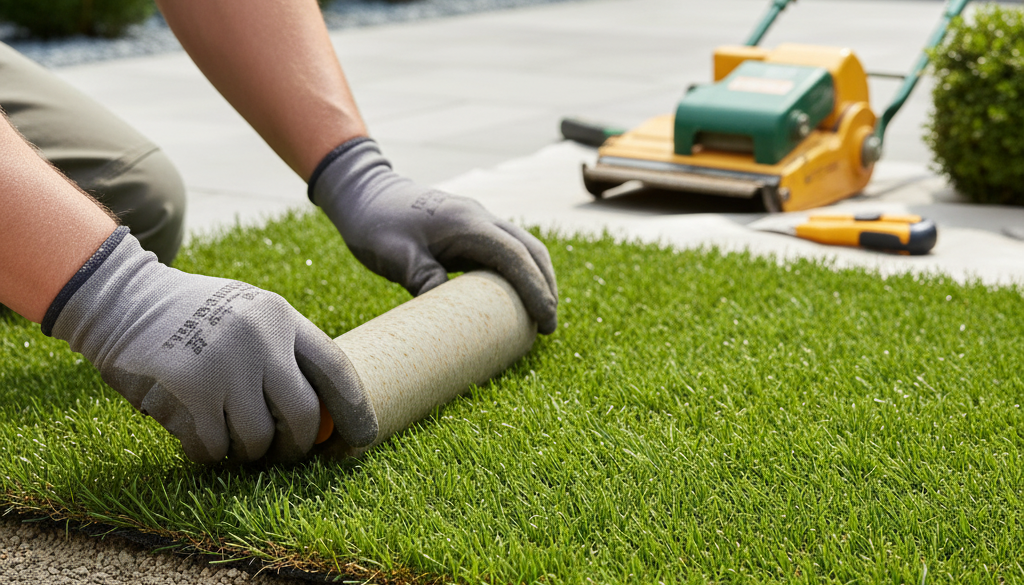
Artificial grass, for example, is often used in areas where natural grass struggles due to shade or drainage. Similarly, well-laid paving can reduce the need for constant upkeep while still providing a clean, finished look.
The aim is to strike a balance where the garden remains attractive without demanding constant attention.
How Ominiworks Approaches Garden Transformations
At Ominiworks, garden projects begin with a focus on how the space is currently used and where it falls short.
Rather than applying a standard design, the process looks at practical questions:
- How do you want to use the space day to day?
- Which areas are currently underused or avoided?
- What issues are preventing regular use?
From there, the layout is adjusted to improve flow and function. Surfaces are chosen based on how the space will be used, and underlying issues such as drainage are addressed before new elements are introduced.
This approach ensures the final result works consistently, rather than just looking good when first completed.
Small Changes That Can Make a Noticeable Difference
Improving usability does not always require a complete redesign. In some cases, targeted changes can have a significant impact.
For example:
- Extending an existing patio can create enough space for proper seating
- Adding a defined path can make the garden easier to navigate
- Levelling uneven ground can immediately improve comfort and safety
These adjustments may seem minor, but they often remove the small frustrations that stop people from using their garden regularly.
Make the Space Worth Using
A garden should feel like an extension of your home. If it is difficult to use, it becomes something you overlook rather than enjoy.
Learning how to make your garden more usable comes down to a few key principles: clear layout, reliable surfaces, proper drainage, and practical design choices.
When these elements come together, even a previously underused space can become somewhere you spend time in, rather than walk past.
The difference is not always dramatic. It is simply that the space starts to work as it should. Contact us today if you want to plan a garden makeover for your backyard.