What Homeowners Get Wrong When Budgeting for Outdoor Projects
Budgeting for outdoor projects sounds straightforward. Price the patio, compare materials, set a figure, and book a contractor.
In reality, most cost surprises happen because key elements are misunderstood or ignored. The visible surface is only part of the investment. What sits underneath often determines whether your patio lasts five years or twenty.
If you are planning a new patio in Exeter or Bath, understanding where budgets go wrong can save money, stress, and costly repairs later.
1. Prioritising Appearance Over Structural Preparation
Most budgeting mistakes start here. Homeowners focus on what they can see and underestimate what they cannot.
Ground Preparation Is Not Optional
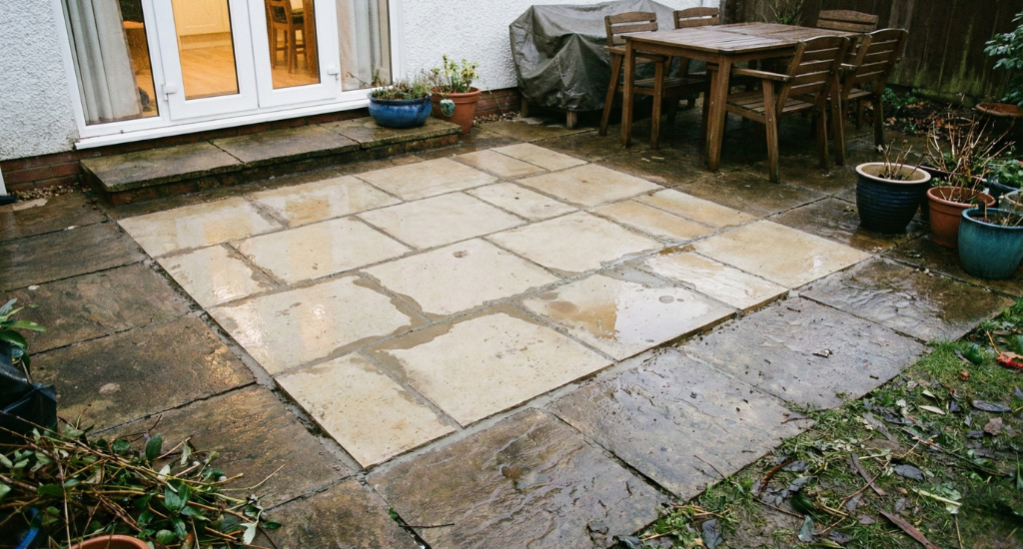
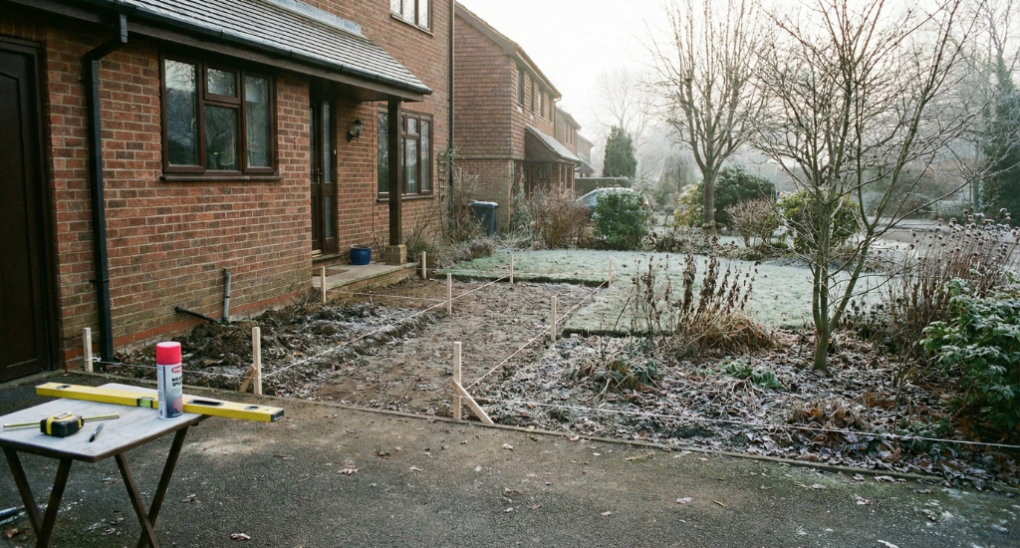
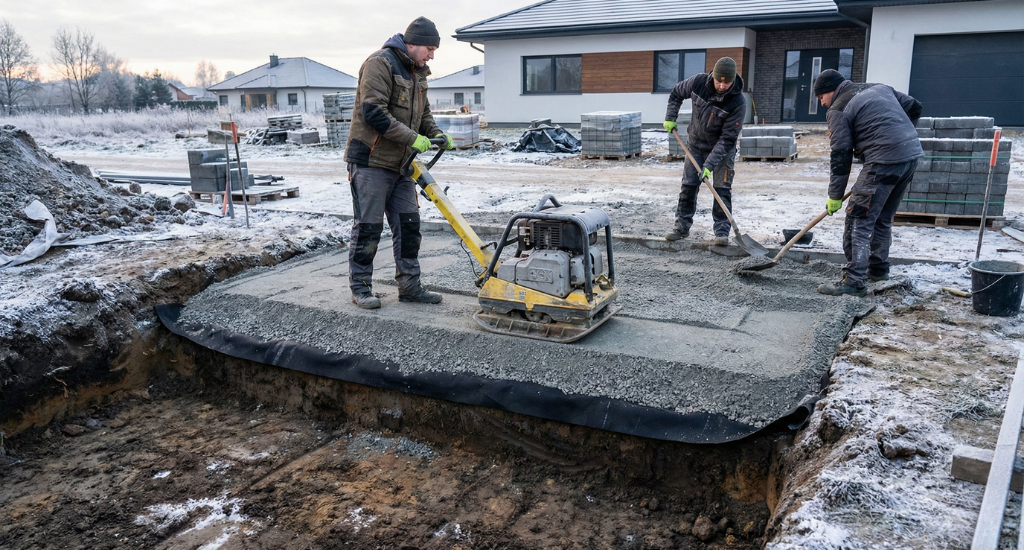
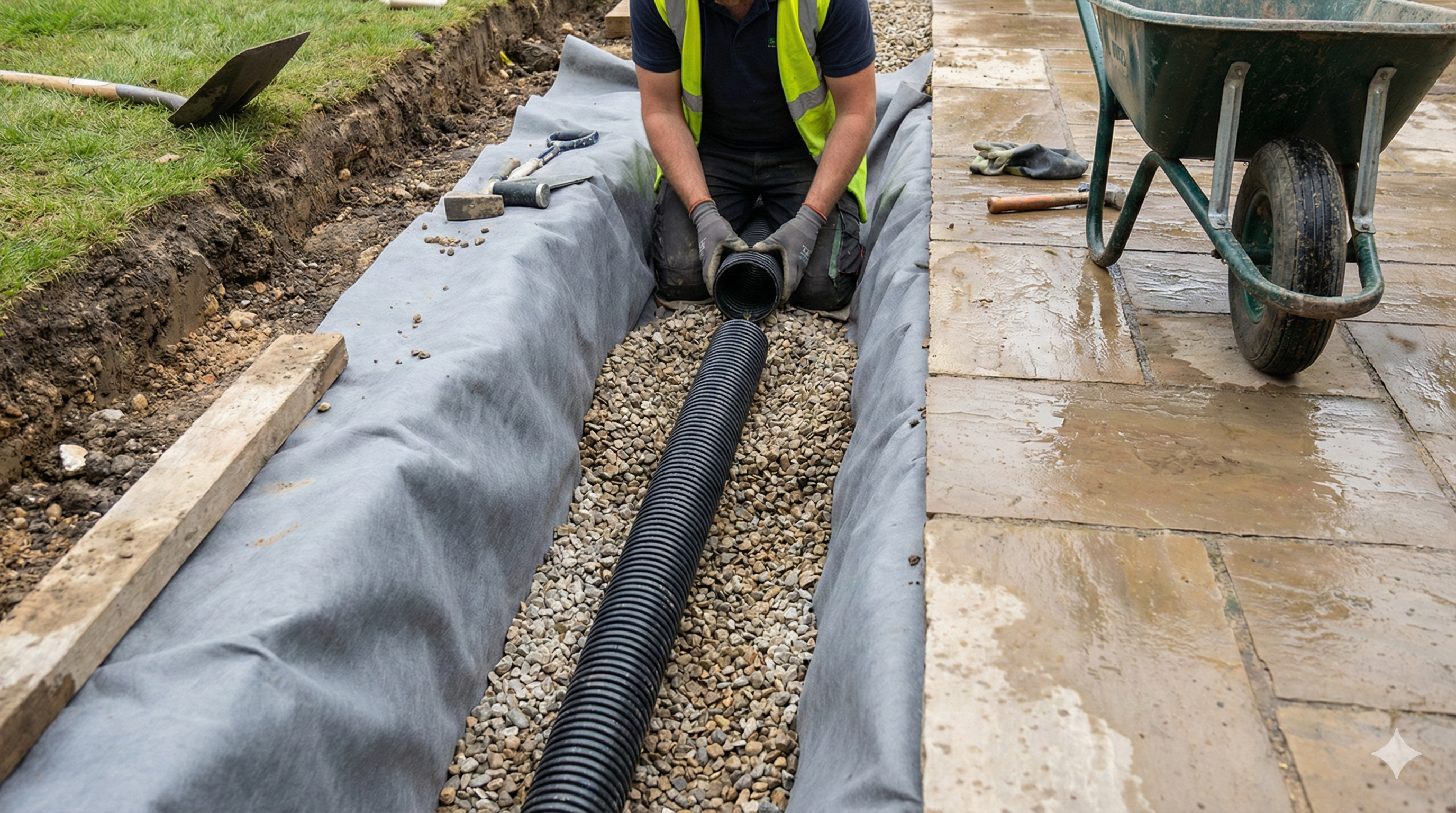
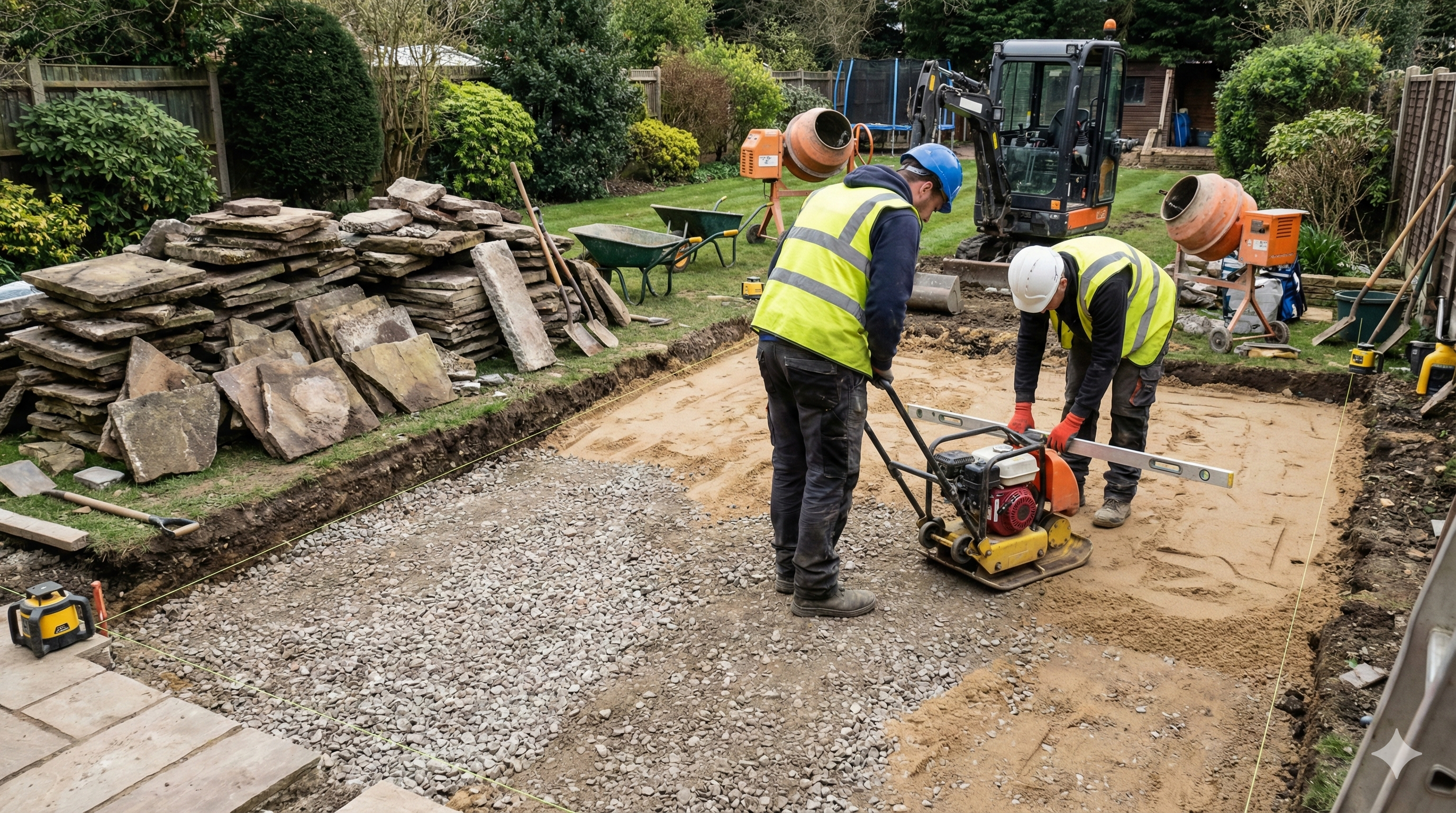
A patio is only as strong as its base. Proper excavation, MOT Type 1 installation, layered compaction, and stable bedding require labour and material cost.
Reducing groundwork to lower a quote often leads to:
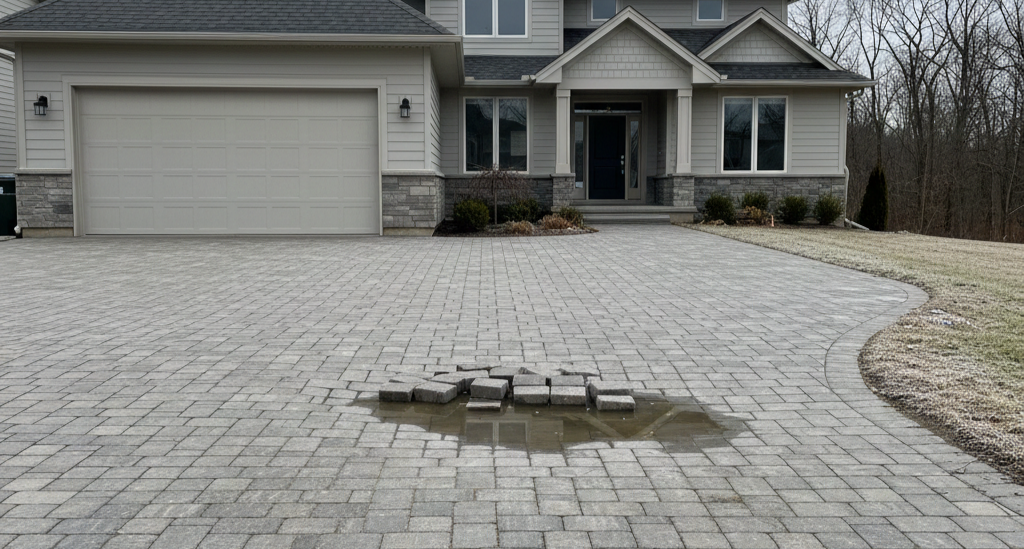
- Cracked slabs
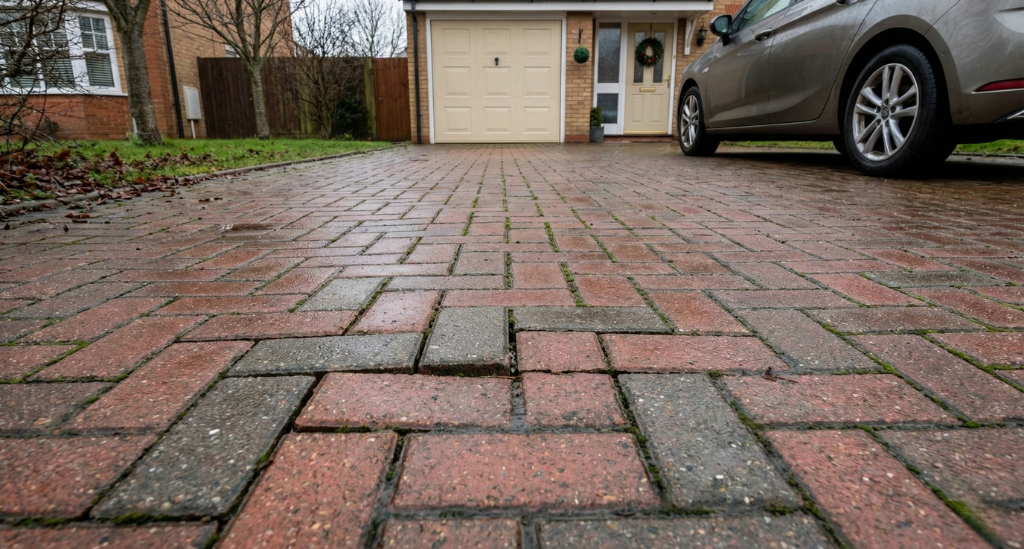
- Sunken areas
- Standing water
- Edge movement
It is like laying tiles on sand. It may look level on day one, but stability disappears under pressure.
Budgeting for outdoor projects must be allocated properly for unseen structural work.
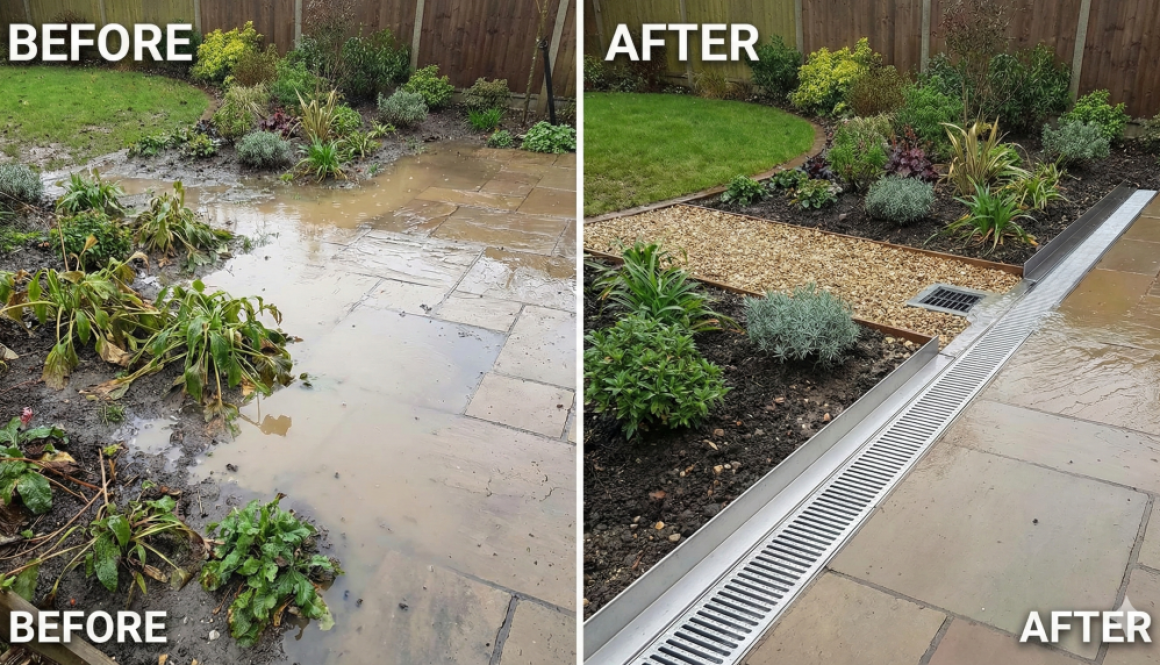
Drainage Must Be Designed, Not Assumed
Water management is frequently ignored during early cost discussions.
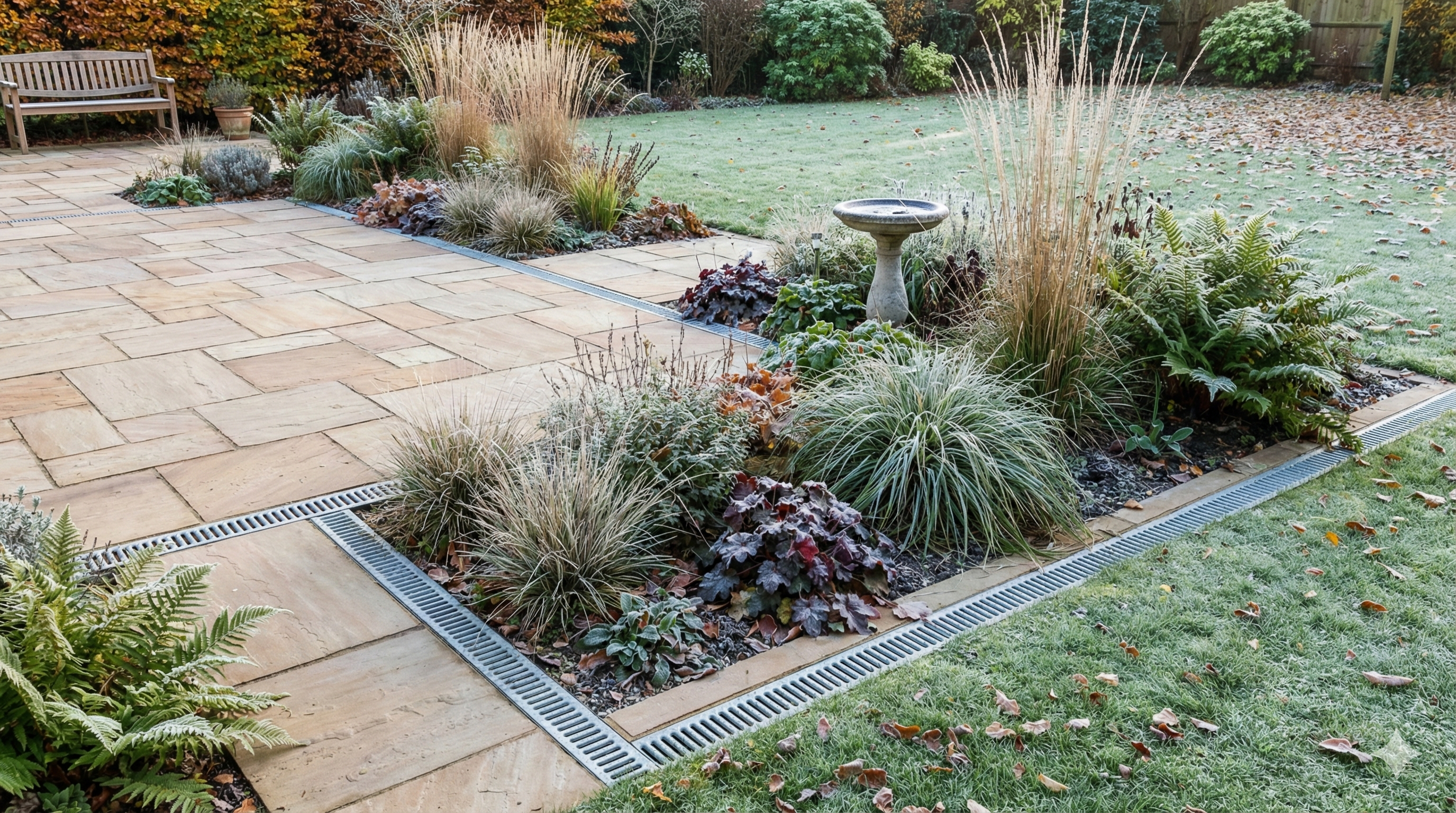
In Bath, sloped gardens require accurate fall and channel drainage. In Exeter, heavier clay soil can retain moisture and increase movement risk.
Drainage planning includes:
- Fall away from the property
- Channel drains where required
- Surface water compliance
- Protection of surrounding structures
Skipping drainage saves money short term and multiplies expense long term.
2. Misjudging Material Value and Lifespan
Price per square metre is not the same as value.
Cheaper Materials Often Cost More Later
Lower-cost paving can involve:
- Inconsistent thickness
- Higher breakage rates
- Increased porosity
- Reduced lifespan
In wet climates like Exeter, absorption rates matter. In areas with freeze-thaw cycles, inferior materials deteriorate faster.
A patio replaced after eight years costs more than one that lasts twenty.
Performance Should Drive Selection
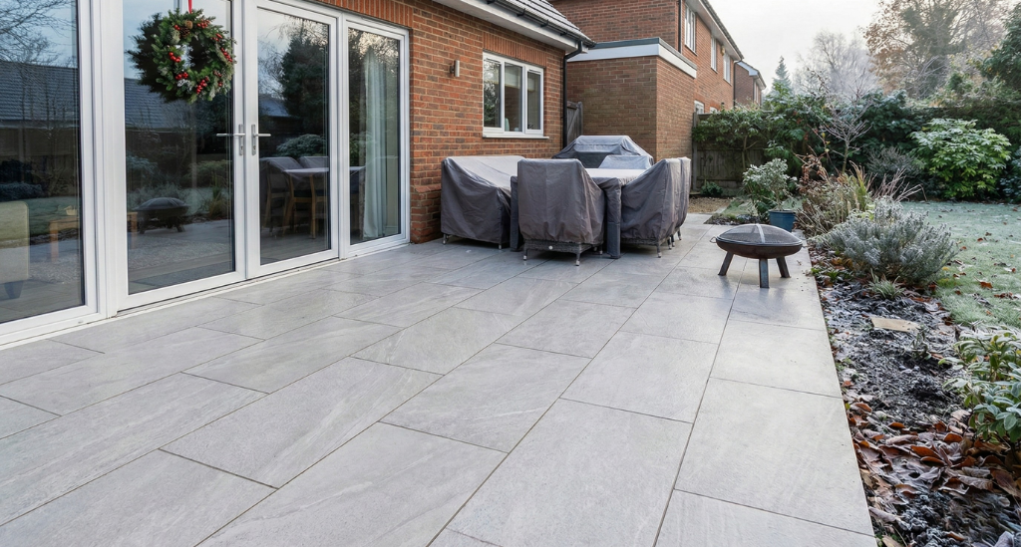
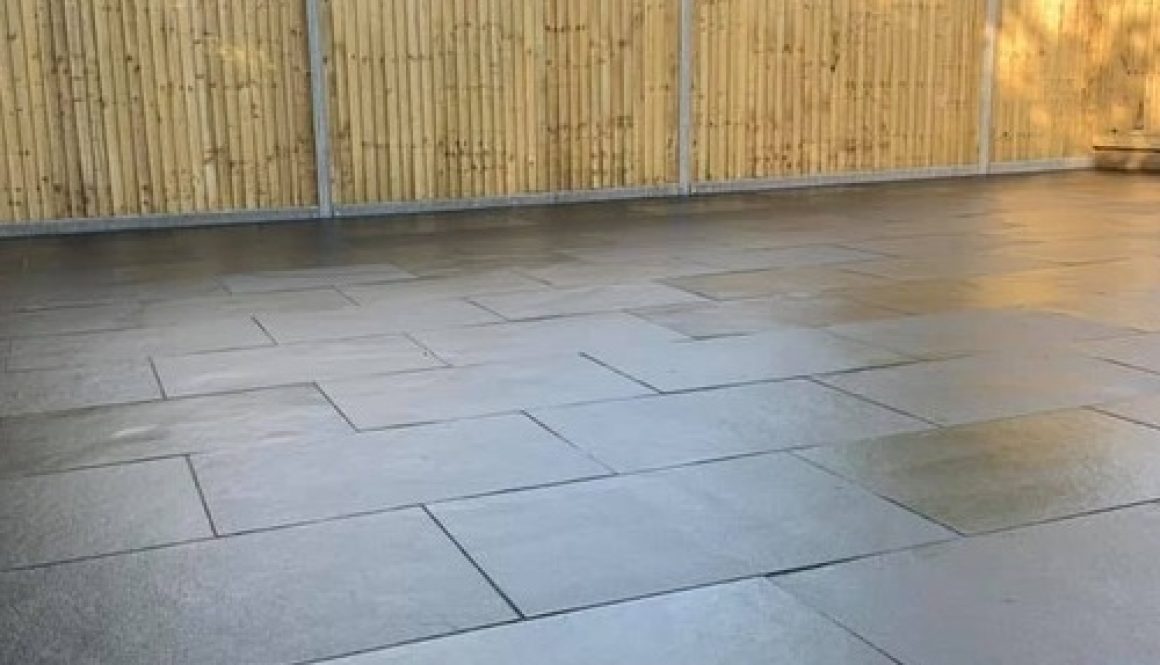
Porcelain offers consistency and low absorption but requires skilled installation. Natural stone provides character but demands sealing and maintenance planning.
When budgeting for outdoor projects, think lifespan, not invoice.
3. Overlooking Site Realities That Affect Cost
No two gardens are identical. Yet many budgets assume ideal conditions.
Access Limitations Increase Labour
Restricted side access, narrow pathways, or tiered gardens significantly influence cost.
In parts of Bath, access constraints can affect machinery use. Some Exeter properties require additional levelling or retaining work.
Manual transport of materials increases time and labour.
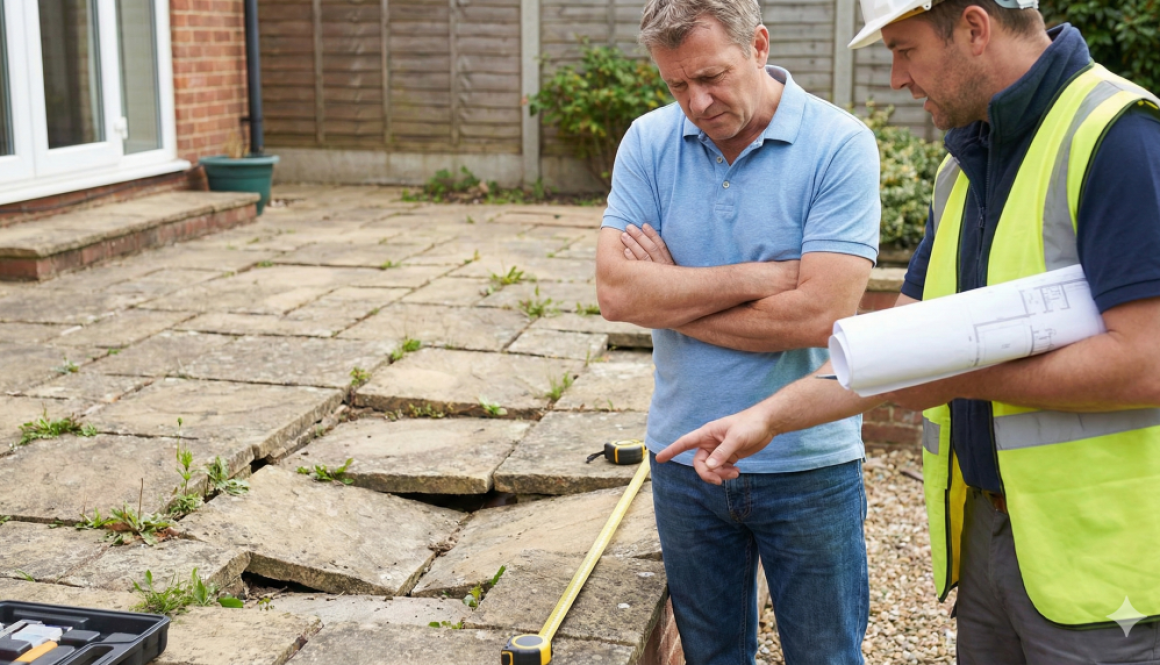
A proper site survey prevents budget shock.
Edging and Structural Details Matter
Homeowners often budget only for the central paving area.
Structural components include:
- Edge restraints
- Kerb units
- Step construction
- Coping stones
- Jointing compounds
Without proper edging, patios spread. Without correct jointing, water penetrates.
These details are structural safeguards, not decorative extras.
4. Comparing Quotes Without Understanding Specification
The lowest quote is rarely the most complete.
What Cheaper Quotes Often Exclude
Price differences may reflect:
- Reduced excavation depth
- Minimal sub-base
- Excluded waste removal
- Omitted drainage
- Inexperienced labour
If a quote is significantly lower, ask:
- What is the excavation depth?
- What base material is specified?
- Is waste removal included?
- What guarantee is offered?
Budgeting for outdoor projects requires comparing specifications, not just totals.
5. Failing to Budget For Long-Term Use
Outdoor spaces are now extensions of the home. Yet many homeowners budget for immediate use only.
Planning For Future Additions
Later additions such as:
- Outdoor kitchens
- Lighting systems
- Pergolas
- Seating walls
are more expensive when retrofitted.
Planning electrical conduits or reinforced areas during initial construction reduces future disruption.
Maintenance Is Part of Ownership
While patios are low maintenance, they are not maintenance-free.
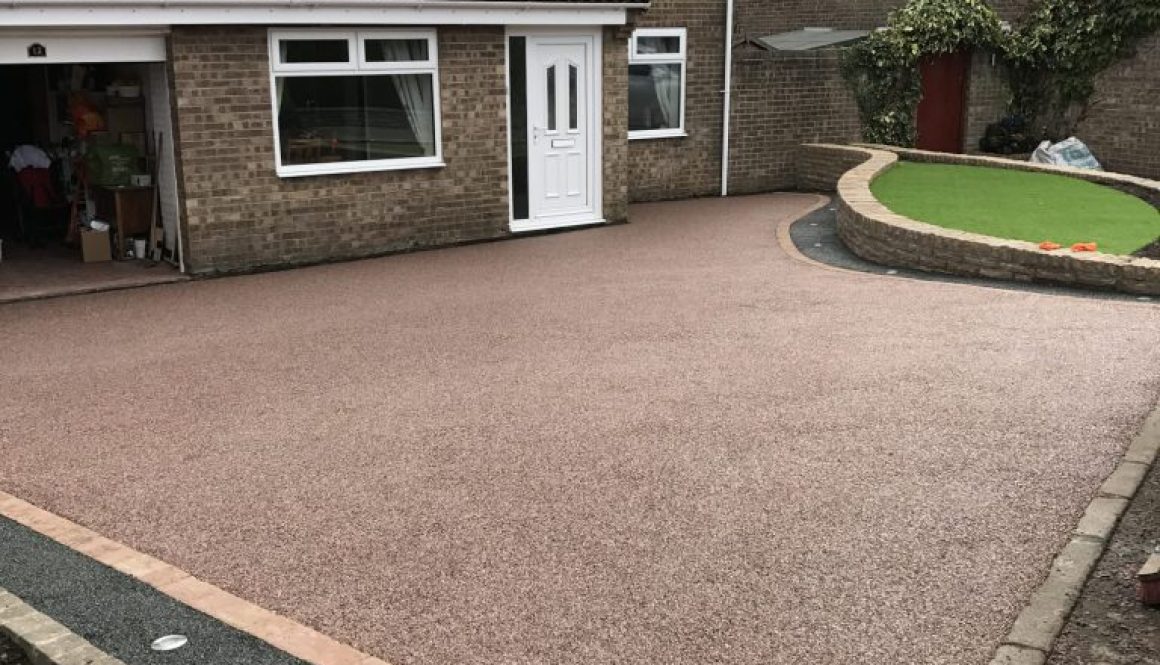
Natural stone may require sealing. Resin-bound surfaces benefit from cleaning. Jointing materials may need periodic attention.
These costs are manageable but should be acknowledged early.
6. Treating Patios as Decorative Instead of Structural
Perhaps the most serious misconception is viewing patios as cosmetic upgrades.
A well-built patio:
- Improves drainage
- Protects foundations
- Increases usable space
- Adds property value
Poor installation can direct water towards the property and damage surrounding structures.
Outdoor construction is structural work. Budgeting should reflect that level of importance.
How to Budget Smarter from the Start
A practical budgeting approach includes:
- Prioritising foundation and drainage
- Selecting materials based on lifespan
- Understanding access limitations
- Comparing quotes by specification
- Planning for future use
For homeowners in Exeter, working with experienced patio installers ensures the project reflects local soil conditions and rainfall patterns. If you are reviewing options for Exeter patios, choosing a team familiar with regional drainage requirements protects your investment long term.
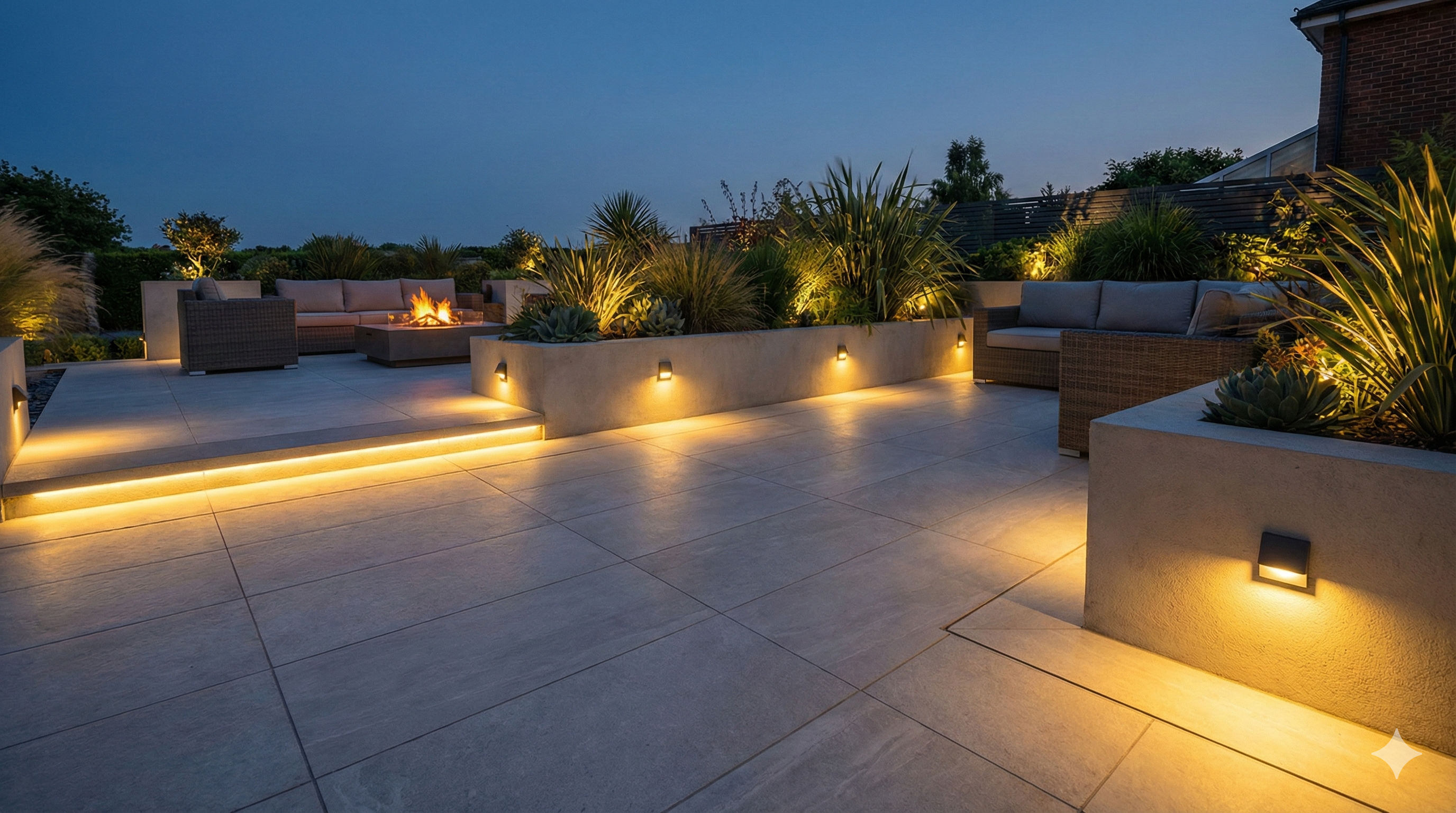
Budget For Longevity, Not Just The Surface
The surface draws attention. The structure determines lifespan.
Budgeting for outdoor projects should focus on preparation, water management, material performance, and skilled installation.
Invest beneath the slabs. Build once. Avoid repair cycles.
For expert patio installation and detailed quotations, contact Ominiworks and arrange your free site survey today.