Skip to content
How to Spot a Rushed Driveway or Patio Before You Buy the House
A driveway or patio can make a property look immaculate during a viewing. Fresh paving, clean lines, and modern finishes often suggest care and investment.
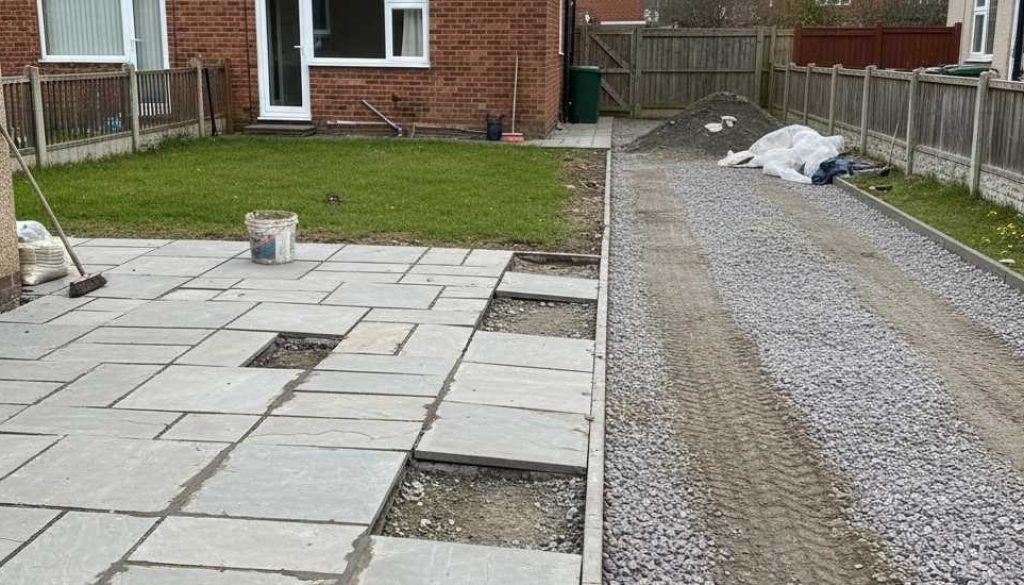
However, some outdoor surfaces are installed quickly to improve kerb appeal before a sale. A rushed driveway or patio may look solid on the surface but conceal structural shortcuts underneath.
If you are viewing homes in areas like Exeter or Bath, knowing what to inspect can prevent unexpected repair costs after completion.
Why Sellers Rush Outdoor Installations
When a property is prepared for market, visible upgrades attract attention. Kitchens get refreshed. Walls are repainted. Outdoor spaces are resurfaced.
Driveways and patios are common quick upgrades because they:
- Improve first impressions
- Photograph well for listings
- Suggest low maintenance
Unfortunately, speed often replaces quality. Proper excavation, base depth, and drainage require time. A rushed installation may skip or reduce these steps.
From the pavement, everything can appear level and aligned. Underneath, problems may already be forming.
Check the Surface Level and Drainage
Drainage faults are among the clearest signs of rushed work.
Look For Incorrect Fall
A patio or driveway should slope gently away from the property. If water appears to run toward the house or door thresholds, that is a warning sign.
Stand back and visually assess the angle. Even small directional errors can lead to:
- Pooling water
- Damp penetration
- Foundation stress
In cities like Bath, where many properties sit on natural slopes, fall and water direction are especially important.
Watch For Standing Water Marks
Dark patches, tide marks, or moss growth on a recently installed surface may indicate poor drainage design.
A properly built installation disperses water quickly. Persistent damp areas suggest insufficient fall or blocked drainage channels.
Inspect the Edges and Borders
Edges reveal more about workmanship than the centre of the surface.
Uneven or Loose Edge Restraints
Edge blocks should feel firm underfoot. If you can shift them slightly or see widening gaps between joints, the restraints may not have been secured properly.
Without solid edge support, paving spreads outward over time.
Inconsistent Cuts and Gaps
Look closely where slabs meet walls or curves. Clean, precise cuts reflect careful installation. Irregular spacing or visible filler material can suggest rushed fitting.
Driveways and patios are measured projects. Poor alignment often indicates haste.
Look For Jointing Problems
Jointing is frequently rushed because it is one of the final steps.
Excess Sand or Weak Jointing Compound
On block paving, excessive loose sand can mean inadequate compaction. On patios, weak or crumbling joint compound signals corners were cut.
Run your finger lightly across the joints. If material lifts easily, it may not have cured properly.
Gaps Between Slabs
Consistent spacing is essential for structural integrity. Uneven joints allow water penetration and eventual movement.
Small details here often expose larger preparation shortcuts beneath.
Ask About the Sub-Base and Installation Timeline
A key question during viewing is simple: When was this installed?
If the answer is “just before listing,” ask further questions.
How Deep Was the Excavation?
A durable driveway or patio typically requires:
- Adequate excavation depth
- MOT Type 1 sub-base
- Layered compaction
- Proper bedding material
If the seller cannot provide specification details, that is a red flag.
Was It Installed in a Very Short Timeframe?
Large areas completed in just a few days may suggest minimal groundwork.
Quality installations require time for excavation, compaction, levelling, and curing. Speed can compromise stability.
Check For Early Signs of Movement
Even new surfaces can show early failure indicators.
Slight Dips or Uneven Areas
Walk slowly across the surface. If you feel subtle dips or rocking slabs, the base may not be evenly compacted.
Cracks Near Edges
Hairline cracks forming along edges or joints shortly after installation can indicate insufficient structural support.
These issues rarely improve on their own. They worsen under traffic and weather exposure.
Assess Integration With the Property
A properly planned patio or driveway connects logically with surrounding features.
Look at how it meets:
- The house wall
- Drainage channels
- Garden borders
- Steps or thresholds
If levels appear awkward or transitions look improvised, it may have been installed quickly without detailed planning.
In Bath, especially in older properties, sympathetic integration with existing stonework is important. In Exeter, soil conditions can influence settling, so clean alignment is a positive sign.
If you are evaluating Bath Patios specifically, pay attention to how the surface interacts with historic stone facades and sloped plots. Poor integration often signals rushed design rather than careful craftsmanship.
Watch For Cosmetic Cover-Ups
Fresh sealing, aggressive pressure washing, or newly laid turf around edges can disguise flaws.
Signs of concealment include:
- Excessive sealant gloss hiding unevenness
- Fresh topsoil covering patio edges
- Recently painted drainage covers
These do not automatically indicate poor work, but combined with other warning signs they merit caution.
Review Guarantees and Documentation
Professional installations typically come with:
- Written quotations
- Installation details
- Material specifications
- Guarantee documentation
If paperwork is unavailable, future recourse may be limited.
Ask whether the installer is local and whether you can verify previous projects.
A rushed driveway or patio often lacks traceable documentation.
Why Early Detection Matters
Correcting a poorly installed driveway or patio can involve:
- Full excavation
- Removal of materials
- Reinstallation of sub-base
- Drainage redesign
This is rarely a small repair. It is usually a rebuild.
Spotting problems before purchase allows you to:
- Renegotiate the property price
- Request documentation
- Plan financially for replacement
Budgeting for corrections after moving in can disrupt finances and timelines.
Protecting Yourself Before You Commit
Before completing a property purchase, consider:
- Walking the surface carefully
- Inspecting edges and joints closely
- Asking detailed installation questions
- Requesting documentation
- Seeking professional advice if unsure
A well-built driveway or patio should feel solid, drain efficiently, and integrate seamlessly with the property.
Rushed installations rely on appearance. Quality installations rely on structure.
Buy With Confidence, Not Assumptions
A new driveway or patio can be a genuine asset. It can improve drainage, increase usable space, and add long-term property value. However, when installed quickly to enhance sales appeal, hidden shortcuts may create costly repairs.
Inspect beyond the surface. Ask technical questions. Trust structural evidence over visual polish.
If you require expert advice or are planning to replace a rushed installation, Ominiworks provides detailed site surveys and transparent quotations.
Build once. Build properly. Talk to us.